satyanarayana vratam telugu pdf
Satyanarayana Vratam Telugu PDF: A Comprehensive Guide
Satyanarayana Vratam resources in Telugu PDF format are readily available online from sources like Mulugu Website and Vaidika Vignanam․
These digital texts offer devotees convenient access to the sacred rituals and stories associated with Satyanarayana Swamy․
Several authors, including Lakshmi Narasimha Shastry and Challa Lakshmi Narasimha Sastri, have compiled comprehensive guides to this important Vratam․
Satyanarayana Vratam is a widely observed religious vow dedicated to Lord Satyanarayana, a manifestation of Lord Vishnu, particularly popular in Andhra Pradesh and Telangana․ This Vratam, steeped in tradition, is performed seeking blessings for prosperity, well-being, and the fulfillment of desires․ The practice involves reciting the sacred story of Satyanarayana Swamy, typically divided into five chapters (Adhyayalu), and offering prayers․
The increasing availability of Satyanarayana Vratam texts in Telugu PDF format has significantly broadened access to this devotional practice․ Websites like Vaidika Vignanam and Mulugu Website offer downloadable resources, including the Vratha Kalpam, providing detailed guidance on performing the rituals correctly․ These PDFs often contain the complete story, required Samagri (materials), and step-by-step instructions, making it easier for devotees to conduct the Vratam at home․
The digital format ensures the preservation and wider dissemination of this cherished tradition, allowing individuals and communities to connect with their faith more conveniently․ The ease of access to Telugu PDFs has contributed to the continued popularity of Satyanarayana Vratam among Telugu-speaking communities worldwide․
The Significance of Satyanarayana Swamy
Lord Satyanarayana Swamy represents a benevolent form of Lord Vishnu, embodying truth and righteousness․ Devotees believe that worshipping Him with sincerity and devotion leads to the removal of obstacles, the granting of wishes, and overall well-being․ The Satyanarayana Vratam is performed specifically to appease the Lord and seek His divine grace․
The stories associated with Satyanarayana Swamy, readily available in Telugu PDF texts from sources like Mulugu Website, illustrate the importance of truthfulness, faith, and selfless service․ These narratives often depict individuals facing challenges who, through devotion to the Lord, overcome adversity and attain prosperity․
Accessing these stories in Telugu PDF format allows devotees to deeply connect with the Lord’s teachings and understand the underlying principles of the Vratam․ The widespread availability of resources from platforms like Vaidika Vignanam emphasizes the significance of Satyanarayana Swamy within the Telugu-speaking community, fostering a strong spiritual connection and encouraging continued practice of this sacred vow․
Historical Background and Origins
The origins of the Satyanarayana Vratam are somewhat obscure, though its popularity blossomed in the medieval period, particularly within the Vaishnava tradition․ While not explicitly detailed in ancient scriptures like the Vedas, the worship gained prominence through the Satyanarayana Purana, a relatively later text․ This Purana narrates the stories and significance of the deity, forming the core of the Vratam’s practice․
The practice likely evolved from earlier Vishnu-centric devotional practices prevalent in South India․ The availability of Telugu PDF versions of texts like Sri Satyanarayana Vratha Kalpam by Lakshmi Narasimha Shastry, accessible through the Internet Archive, suggests a strong historical presence within the Telugu-speaking regions․
Resources like Vaidika Vignanam further demonstrate the continued transmission and preservation of this tradition․ The increasing digitization of these texts, making them available as Telugu PDFs, ensures the accessibility of this rich cultural and religious heritage for future generations, preserving its historical roots and devotional essence․
Performing the Vratam
Satyanarayana Vratam requires specific samagri, detailed in Telugu PDF guides from sites like Vaidika Vignanam and Mulugu Website․
These resources outline the step-by-step puja procedure․
Required Materials (Samagri) for the Puja
Performing Satyanarayana Vratam necessitates a specific collection of materials, often detailed within Telugu PDF guides available online․ These resources, found on platforms like Vaidika Vignanam and through publications detailed on sites like Mohan Publications, provide comprehensive lists for devotees․
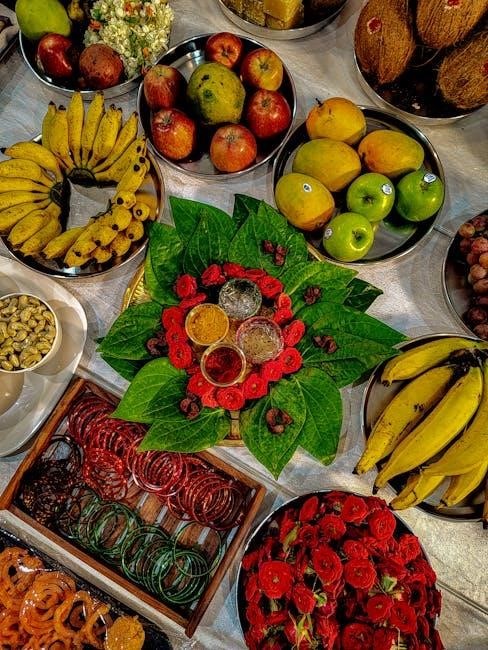
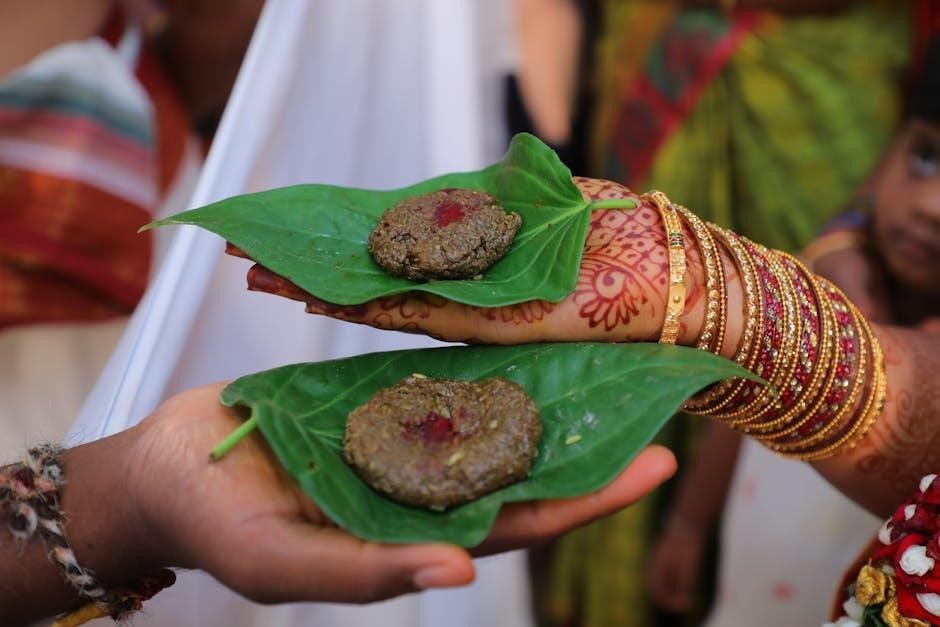
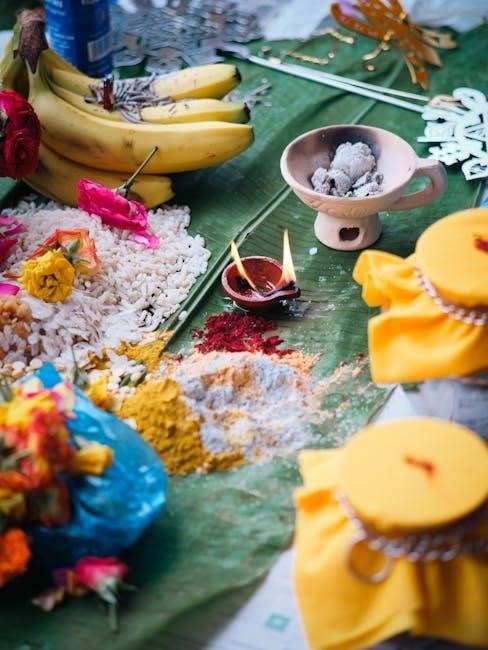
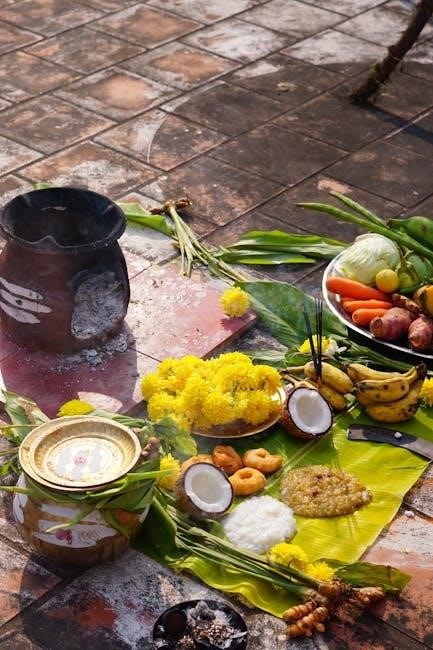
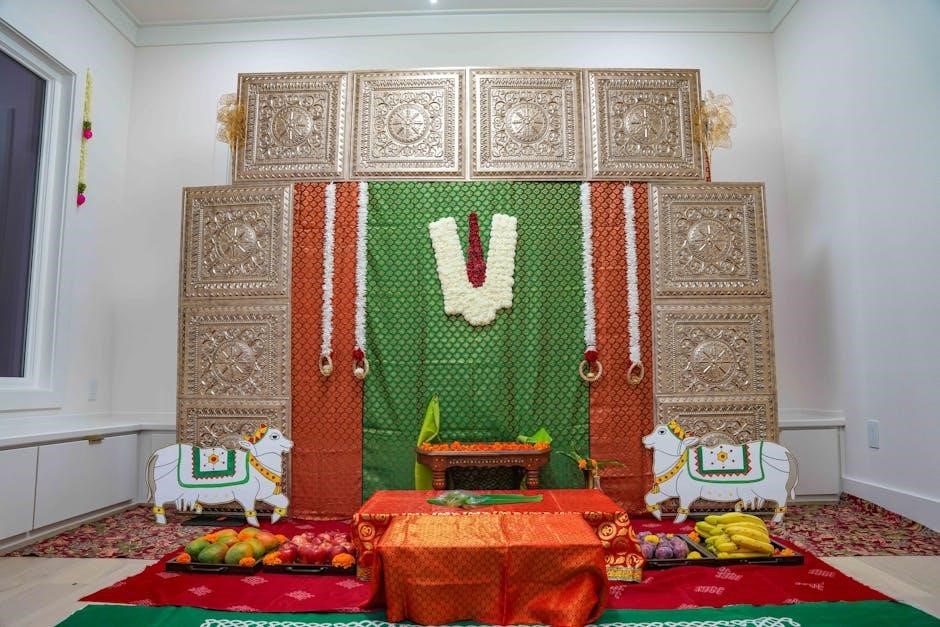
Essential samagri typically includes raw rice (akshintalu), bananas, coconuts, betel leaves, areca nuts, turmeric powder, kumkum, sandalwood paste, incense sticks, camphor, and a ghee lamp․ Flowers, particularly marigolds, are also commonly used․
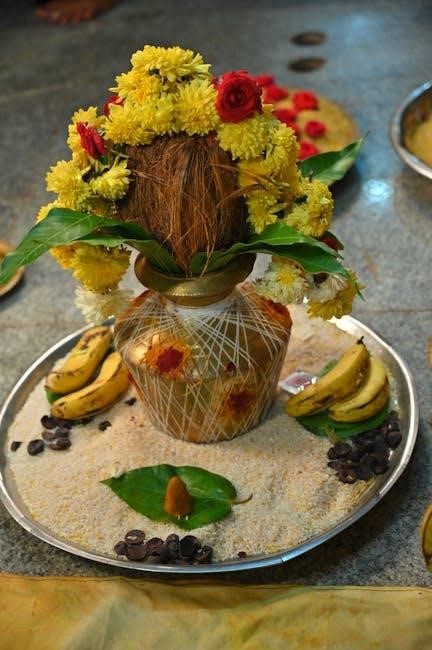
The Puja often requires a clean cloth for the deity, a kalasha (pot) filled with water, and coins․ Specific texts, like the Sri Satyanarayana Vratha Kalpam by Lakshmi Narasimha Shastry, available via the Internet Archive, will list the precise quantities needed․
Devotees should also prepare offerings of sweet rice (prasad) and ensure they have a comfortable space for performing the rituals, referencing the detailed instructions within the Telugu PDF texts․
Step-by-Step Procedure of the Vratam
The Satyanarayana Vratam procedure, meticulously outlined in Telugu PDF guides from sources like Vaidika Vignanam and Mulugu Website, begins with purification rituals․ Devotees first sanctify the worship space and themselves․
Next, the deity, Satyanarayana Swamy, is invoked through chanting and the placement of a kalasha․ The five chapters (adhyayalu) of the story are then recited, often by a priest or knowledgeable family member, as detailed in texts like Sri Satyanarayana Vratha Kalpam․
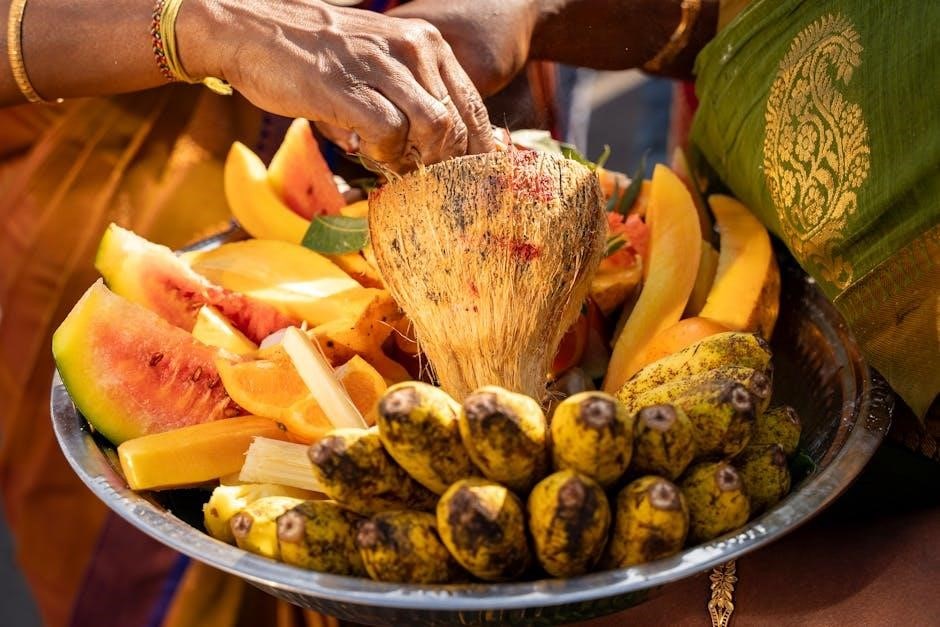
Throughout the recitation, offerings of rice, bananas, and coconuts are made․ The prasad (sweet rice) is prepared and offered to the deity․
Following the story, prayers are offered for blessings and fulfillment of wishes․ The Vratam concludes with the distribution of prasad to all attendees, ensuring adherence to the steps outlined in the Telugu PDF resources․
The Five Chapters (Adhyayalu) of the Story
The Satyanarayana Vratam narrative, accessible in Telugu PDF formats from sites like Vaidika Vignanam and detailed in texts by Lakshmi Narasimha Shastry, unfolds through five distinct chapters, known as adhyayalu․
Each chapter presents a unique tale illustrating the power of devotion to Satyanarayana Swamy․ The first introduces the deity and the benefits of the Vratam․ Subsequent chapters recount stories of a merchant, a poor Brahmin, and others facing trials, all overcome through faith․
These narratives, found within the Telugu PDF guides, emphasize honesty, charity, and unwavering belief․
The stories are designed to impart moral lessons and demonstrate the deity’s compassionate nature․ Reciting these adhyayalu during the Vratam is central to the ritual, as outlined in resources like Sri Satyanarayana Vratha Kalpam, and ensures blessings for devotees․
The Story of Satyanarayana Swamy
Satyanarayana Swamy’s tale, detailed in Telugu PDF texts, comprises five chapters (adhyayalu) illustrating devotion’s power․
These stories, found on sites like Mulugu Website, impart valuable moral lessons․
Chapter 1: The Initial Tale and its Moral
Chapter 1 of the Satyanarayana Vratam story, readily accessible in Telugu PDF formats from resources like Vaidika Vignanam and detailed on various devotional sites, introduces the foundational narrative․ This initial tale centers around a devoted Brahmin who consistently offers simple, heartfelt prayers to Lord Satyanarayana Swamy․
Despite his modest means, the Brahmin’s unwavering faith and sincerity are paramount․ The story highlights a period of hardship where the Brahmin faces financial difficulties, yet he never wavers in his devotion․ Lord Satyanarayana, witnessing this steadfast belief, tests the Brahmin’s commitment․
The moral of this chapter, clearly conveyed in the Telugu texts, emphasizes the importance of unwavering faith, humility, and sincere devotion over material wealth․ It demonstrates that genuine devotion, regardless of circumstance, is always recognized and rewarded by the divine․ The story serves as a powerful reminder that true worship lies in the heart, not in elaborate rituals or offerings․
Chapter 2: The Merchant’s Test of Devotion
Chapter 2 of the Satyanarayana Vratam narrative, found in Telugu PDF versions available on platforms like Mulugu Website, details the story of a wealthy merchant․ This merchant, initially prosperous, experiences a series of misfortunes at sea, losing his entire fortune․ Desperate and seeking a solution, he learns about the power of Lord Satyanarayana Swamy and the associated Vratam․
He undertakes the Vratam with a vow to dedicate a portion of his regained wealth to the Lord․ Miraculously, his fortunes are restored, and he prospers once more․ However, the merchant, succumbing to greed, forgets his promise and fails to fulfill his vow to Lord Satyanarayana․
The story then illustrates the consequences of broken promises and the importance of honoring one’s commitments to the divine․ Lord Satyanarayana tests the merchant’s integrity, ultimately teaching him a valuable lesson about gratitude and the sanctity of vows․ The Telugu texts emphasize that true devotion requires fulfilling promises, not just making them․
Chapter 3: The Poor Brahmin and His Family
Chapter 3, readily accessible within Telugu PDF versions of the Satyanarayana Vratam story – found on sites like Vaidika Vignanam and through texts by authors like Lakshmi Narasimha Shastry – narrates the plight of a poverty-stricken Brahmin and his family․ They endure immense hardship, facing starvation and despair․
Driven to desperation, the Brahmin’s wife decides to perform the Satyanarayana Swamy Vratam, hoping for divine intervention․ She diligently observes the rituals, offering her sincere devotion to the Lord․ As a result of her unwavering faith, their fortunes dramatically improve․
They receive unexpected assistance, enabling them to overcome their poverty and live comfortably․ The story highlights the power of the Vratam to alleviate suffering and provide succor to those in need․ The Telugu texts emphasize that even in the face of extreme adversity, sincere devotion to Lord Satyanarayana can bring about positive transformation and restore hope․

Resources and Texts
Satyanarayana Vratam Telugu PDF texts are available from Vaidika Vignanam and Mulugu Website․ eBooks by Lakshmi Narasimha Shastry and Challa Lakshmi Narasimha Sastri are also accessible․
Availability of Telugu PDF Texts
Numerous online platforms offer the Satyanarayana Vratam text in Telugu PDF format, catering to the widespread devotion surrounding this sacred ritual․ Mulugu Website stands out as a prominent source, providing downloadable eBooks specifically dedicated to Satyanarayana Swamy Vratha Kalpamu, alongside other devotional texts like Lingasthakam and Aditya Hrudayam․
Vaidika Vignanam is another valuable resource, hosting a collection of spiritual and devotional literature in multiple Indian languages, including a dedicated section for the Sri Satyanarayana Puja (Satyanarayana Swami Vratam) in Telugu․
Furthermore, the Internet Archive features Sri Satyanarayana Vratha Kalpam authored by Lakshmi Narasimha Shastry, available for free download, borrowing, and streaming․ Devullu․com also lists Sri Satyanarayana Vratam as a readily available PDF․ These digital resources ensure accessibility for devotees seeking to perform the Vratam with accurate and convenient textual guidance․
Vaidika Vignanam Website Resources
Vaidika Vignanam serves as a comprehensive digital repository for spiritual and devotional literature, offering a dedicated section for the Sri Satyanarayana Puja, also known as the Satyanarayana Swami Vratam, in Telugu․ This platform provides access to the Vratam’s procedures and associated texts, catering to devotees seeking authentic guidance․
The website’s collection extends beyond just the core Vratam text, encompassing a broader range of materials relevant to Hindu worship and traditions․ Resources are available in multiple Indian languages, including Sanskrit, Hindi, Kannada, Tamil, Malayalam, Gujarati, and Bengali, demonstrating a commitment to inclusivity․
Users can readily find and download the Telugu PDF version of the Satyanarayana Vratam, facilitating easy access for those wishing to perform the ritual․ Vaidika Vignanam’s structured organization and extensive library make it a valuable resource for devotees and scholars alike, ensuring the preservation and dissemination of this important religious practice․
Mulugu Website eBooks
The Mulugu Website presents a valuable collection of Telugu devotional eBooks, prominently featuring the Satyanarayana Swamy Vratha Kalpamu․ This digital library offers devotees convenient access to the sacred text in a readily downloadable PDF format, facilitating the performance of the Vratam with ease․
Beyond the Satyanarayana Swamy resources, the website boasts a diverse range of other devotional materials, including texts like Lingasthakam, Ayyappa Swamy Deeksha, Aditya Hrudayam, Hanuman Chalisa, Venkateswara Suprabhatam, Vajra Kavacham, and Mahalakshmi Stotram․ This broad selection caters to a wide spectrum of devotional practices․
Mulugu Website’s commitment to providing free access to these sacred texts makes it an invaluable resource for the Telugu-speaking devotional community․ The availability of the Satyanarayana Vratha Kalpamu in eBook format ensures its accessibility to devotees worldwide, promoting the continued practice and reverence for Satyanarayana Swamy․
Variations and Regional Practices
Satyanarayana Vratam rituals exhibit regional differences across Andhra Pradesh and Telangana․ Community celebrations also vary, though the core Telugu PDF texts remain consistent․
Differences in Rituals Across Andhra Pradesh and Telangana
While the foundational Satyanarayana Vratam remains consistent across Andhra Pradesh and Telangana, subtle variations in ritualistic practices exist․ Accessing Telugu PDF texts detailing these nuances is crucial for devotees seeking precise adherence to regional customs․ Some families in Andhra Pradesh may emphasize specific offerings or mantras not commonly found in Telangana practices, and vice versa․
These differences often stem from local traditions and interpretations passed down through generations․ The Samagri (required materials) list, though largely similar, can include regionally specific items․ For example, the type of toranam (decorative entrance) or the specific fruits offered might differ․ The order of certain steps within the puja procedure can also vary slightly․
Fortunately, detailed Telugu PDF guides, like those available from Vaidika Vignanam and resources compiled on sites like Mulugu Website, often acknowledge these regional variations․ Devotees are encouraged to consult multiple sources and, ideally, seek guidance from experienced elders within their community to ensure the Vratam is performed correctly according to their local traditions․ Understanding these distinctions enhances the devotional experience and respects the rich cultural tapestry of the region․
Community-Based Celebrations
Satyanarayana Vratam frequently transcends individual household observance, blossoming into vibrant community events, particularly within Andhra Pradesh and Telangana․ These collective celebrations foster a strong sense of unity and shared devotion․ Telugu PDF resources often highlight the importance of communal participation and provide guidelines for organizing larger-scale Vratams․
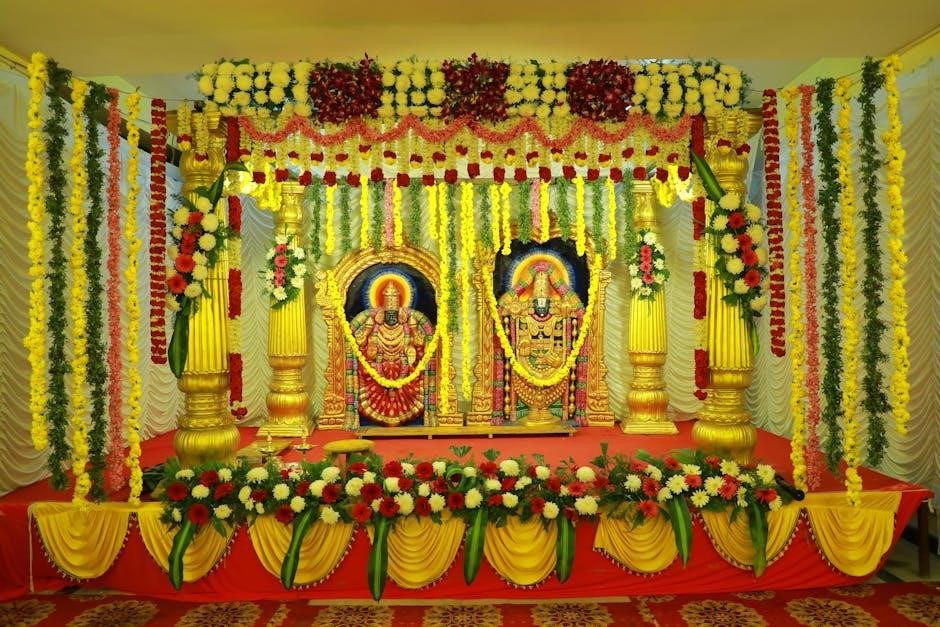
Temples often host grand Satyanarayana Swamy pujas, drawing devotees from surrounding areas․ Villages and neighborhoods may collectively sponsor the event, sharing the costs and responsibilities․ These celebrations typically involve elaborate decorations, communal feasts (prasadam distribution), and devotional singing (bhajan)․
Accessing Telugu PDF texts detailing the logistical aspects of community Vratams – such as coordinating volunteers, managing donations, and preparing the prasadam – proves invaluable for organizers․ The spirit of collective worship amplifies the blessings received, strengthening social bonds and reinforcing faith․ Resources like those found on Vaidika Vignanam and Mulugu Website often showcase examples of successful community celebrations, inspiring others to participate and contribute․
Benefits and Beliefs
Satyanarayana Vratam, detailed in Telugu PDFs, is believed to bestow blessings of prosperity, overcome obstacles, and grant peace․
Devotees seek solutions to specific problems through dedicated worship and faith․
The Blessings Received from Performing the Vratam
Satyanarayana Vratam, as detailed in readily available Telugu PDF texts, is deeply rooted in the belief that sincere devotion to Lord Satyanarayana Swamy yields significant blessings․ Devotees undertaking this Vratam anticipate a multitude of positive outcomes in their lives․ Primarily, it is believed to bestow prosperity and abundance, removing financial hardships and fostering economic stability․
Beyond material gains, the Vratam is thought to alleviate suffering and overcome obstacles․ Individuals facing challenges – be they health-related, professional, or personal – often perform the Vratam seeking divine intervention and a path towards resolution․ The act of dedicated worship, coupled with reciting the five chapters of the Satyanarayana Swamy story, is considered highly potent in attracting positive energy and dispelling negativity․
Furthermore, performing the Vratam is believed to grant peace of mind, emotional well-being, and a strengthened sense of spiritual connection․ The Telugu PDF resources emphasize the importance of faith and sincerity during the ritual, suggesting that the depth of devotion directly correlates with the blessings received․ Ultimately, the Satyanarayana Vratam is seen as a powerful means of seeking divine grace and leading a more fulfilling life․
Addressing Specific Problems Through the Vratam
The Satyanarayana Vratam, accessible through Telugu PDF resources, is frequently undertaken to address a wide array of specific life challenges․ Devotees consult the detailed guides – like those by Lakshmi Narasimha Shastry and Challa Lakshmi Narasimha Sastri – to tailor their prayers and offerings to their particular needs․
Individuals facing health concerns often perform the Vratam seeking recovery and well-being․ Those struggling with career obstacles or business ventures utilize it to invoke divine assistance for success and stability․ Family disputes and interpersonal conflicts are also common reasons for undertaking this sacred ritual, hoping for harmony and reconciliation․
The Telugu PDF texts highlight the belief that focused intention during the Vratam amplifies its efficacy․ By sincerely reciting the story of Satyanarayana Swamy and offering prayers aligned with their specific problem, devotees aim to attract divine intervention․ It’s considered particularly effective for overcoming obstacles related to debt, legal issues, and unforeseen misfortunes․ The Vratam is thus viewed as a powerful tool for seeking solutions and restoring balance in life․
Additional Texts and Authors
Sri Satyanarayana Vratha Kalpam by Lakshmi Narasimha Shastry and Satyanarayana Vrathakalpam by Challa Lakshmi Narasimha Sastri are key Telugu PDF resources․
These texts provide detailed guidance for performing the Vratam․
Sri Satyanarayana Vratha Kalpam by Lakshmi Narasimha Shastry
Sri Satyanarayana Vratha Kalpam, authored by Lakshmi Narasimha Shastry, is a highly regarded Telugu text detailing the procedures and significance of the Satyanarayana Vratam․ Available for free download, borrowing, and streaming via the Internet Archive, this resource is invaluable for devotees seeking a comprehensive guide․
The text, originally published by Swakiya Aryananda Mudraksharashala, meticulously outlines the rituals, mantras, and the narrative of Satyanarayana Swamy․ It serves as a complete Kalpam, offering step-by-step instructions for performing the puja correctly․ The digital format ensures accessibility for a wider audience, allowing individuals to easily access and study the sacred text․
This particular edition is a significant contribution to the preservation and dissemination of traditional Vedic knowledge․ It’s a cornerstone resource for those wishing to understand and participate in the Satyanarayana Vratam with authenticity and devotion, providing a detailed roadmap for a successful and spiritually fulfilling observance․
Satyanarayana Vrathakalpam by Challa Lakshmi Narasimha Sastri
Satyanarayana Vrathakalpam, penned by Challa Lakshmi Narasimha Sastri, represents another essential Telugu resource for devotees intending to perform the Satyanarayana Vratam․ Like Lakshmi Narasimha Shastry’s work, this Kalpam is freely available for download, borrowing, and online streaming through the Internet Archive, promoting widespread access to this sacred practice․
This text provides a detailed exposition of the Vratam’s procedures, including the necessary samagri (materials), the correct recitation of mantras, and a thorough explanation of the five chapters of the Satyanarayana Swamy story․ It’s designed to guide individuals through each step of the puja, ensuring adherence to traditional practices․
Challa Lakshmi Narasimha Sastri’s compilation is a valuable asset for both experienced practitioners and those new to the Satyanarayana Vratam, offering clarity and guidance for a meaningful and spiritually enriching experience․ It stands as a testament to the enduring importance of this devotional practice within Telugu culture․