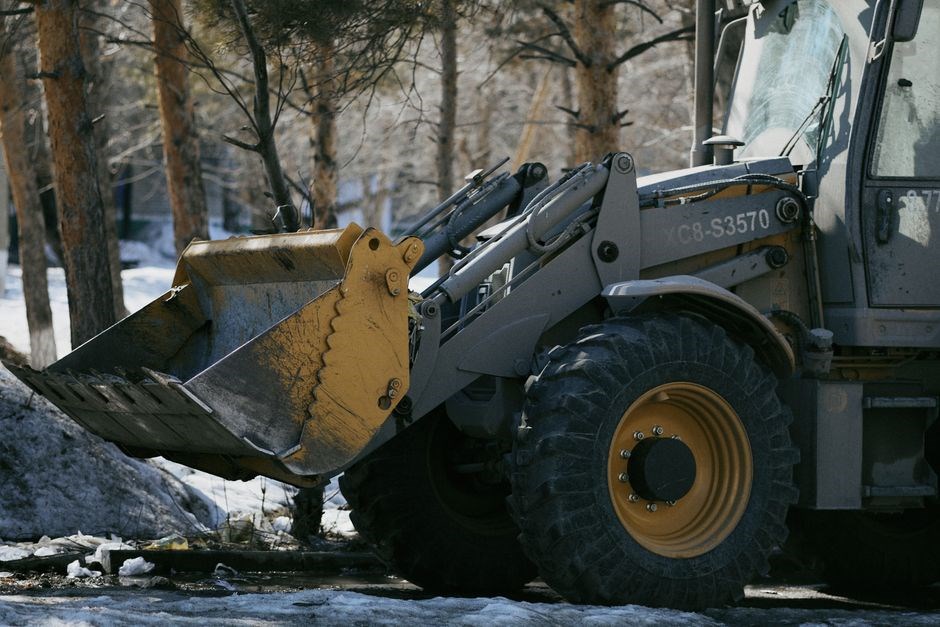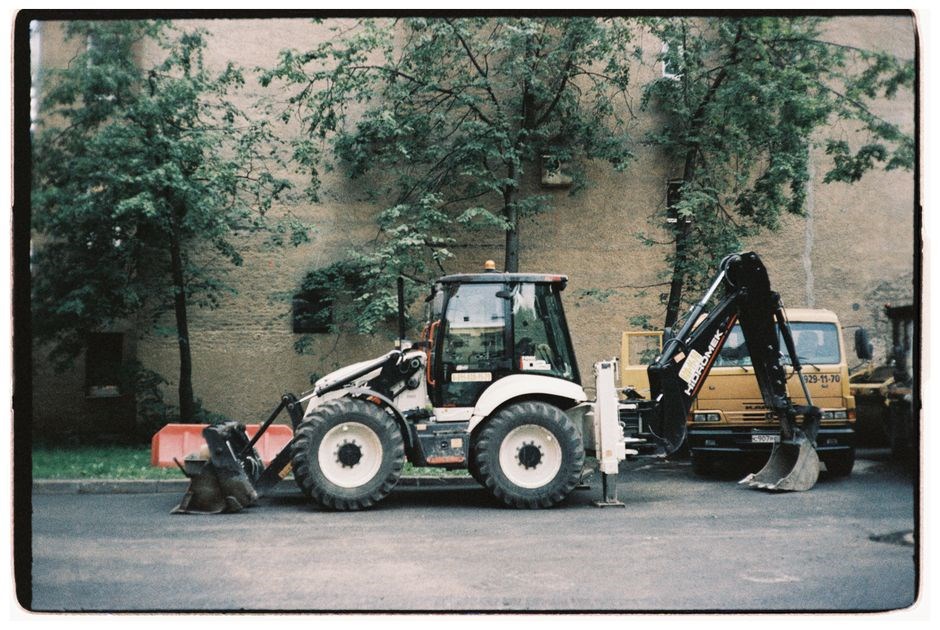
case backhoe serial number and year guide pdf
Serial Number Basics and Importance
Understanding a Case backhoe serial number is essential for identifying its year of manufacture. The PDF guide decodes the digits, revealing production details and helping owners verify warranty eligibility and maintenance schedules. tool streamlines asset tracking and supports resale!!..
Definition and Purpose
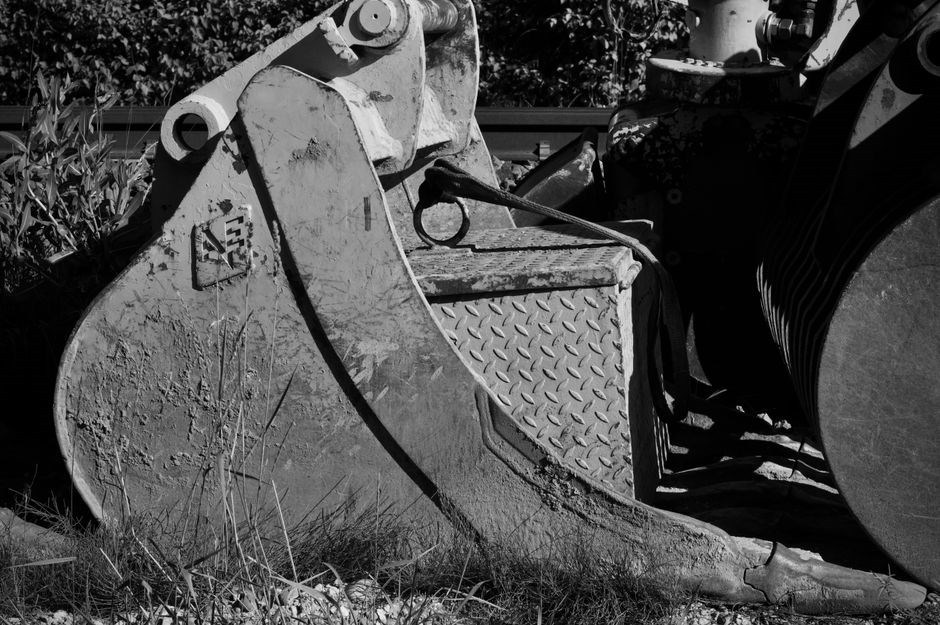
The serial number on a Case backhoe is a unique alphanumeric code stamped on the machine’s frame. It identifies the exact model, production date, and factory location. The code is the machine’s fingerprint, allowing owners, dealers, and service technicians to trace its history, verify authenticity, and access specific repair data. The PDF guide translates the code into readable information, revealing the year of manufacture, model series, and any special production notes. By decoding the serial number, users can confirm warranty status, schedule preventive maintenance, and determine the correct replacement parts. The guide also assists in resale and insurance valuation by providing a documented production timeline. In short, the serial number is the backbone of equipment management, and the PDF guide is the key to unlocking its full value. The guide also includes a quick reference table that maps the first two digits to the production year, allowing users to instantly verify if a machine meets their project’s age requirements. Additionally, the PDF explains how to cross‑check serial numbers against Case’s online database, ensuring that the machine’s history is accurate and that any service records are correctly linked. For fleet managers, this tool reduces downtime by providing immediate access to part compatibility charts and recommended maintenance intervals based on the serial number’s encoded data. All data ok OK!
Role in Warranty and Maintenance
The serial number is the cornerstone of a Case backhoe’s warranty lifecycle. By decoding the code with the PDF guide, owners can pinpoint the exact production date, which determines the start of the manufacturer’s warranty period. The guide lists the warranty length for each model series, so a machine with a 7‑digit code from 2004 will trigger a 12‑month coverage, while a newer 10‑digit code may qualify for a 24‑month guarantee. Once the warranty window is established, the PDF provides a maintenance schedule tied to the serial number’s year of manufacture. This schedule includes recommended oil changes, filter replacements, and critical component inspections at specific mileage or operating hours. Service centers use the serial number to pull the correct parts catalog, ensuring that only OEM components are installed. The PDF also offers troubleshooting charts that correlate common fault codes with serial‑number‑derived production batches, helping technicians quickly isolate issues that may be covered under warranty. For fleet managers, the guide’s “Warranty Tracker” feature allows batch‑level monitoring of expiration dates, reducing the risk of unplanned downtime. By integrating the serial number data into a maintenance management system, operators can automate reminders for service intervals, thereby extending the machine’s productive life and protecting their investment. Owners can also cross‑check serial numbers with Case’s online database for verification today. In short, the serial number, decoded via the PDF, is the single source of truth for warranty eligibility, maintenance timing, and parts authenticity, ensuring that every backhoe runs reliably and stays covered for as long as possible.

Serial Number Structure and Key Patterns
The PDF reveals that Case backhoe serial numbers vary by year: 7‑8 digits pre‑2004, 10 digits post‑2004, and 9 digits for specific models. Prefixes such as 580, M, or JJG indicate series, while the first digit often denotes the production year. The format encodes model year in the digit of.
Digit Lengths by Year
The Case backhoe serial number format evolves with each production cycle, and the PDF guide provides a concise reference for decoding. For machines built between 1988 and 2003, the serial number typically contains seven or eight digits, where the first digit often correlates with the model series and the subsequent digits encode the production sequence. Beginning in 2004, Case transitioned to a ten‑digit system, adding an extra digit to accommodate a larger inventory and to embed additional manufacturing data such as the specific factory and shift. Certain specialty models, especially those in the M Series or 580 Series, may use a nine‑digit format; in these cases, the second digit frequently represents the year of manufacture, while the remaining digits capture the serial sequence and model identifier. The PDF guide details each pattern, illustrating how to interpret the digits, locate the year code, and verify the machine’s authenticity. By following the step‑by‑step decoding instructions, owners can quickly determine the exact year a backhoe was built, ensuring accurate maintenance planning and warranty validation. The guide also highlights common pitfalls, such as misreading the leading zeros or confusing the series prefix, and offers visual examples of serial numbers from each era to reinforce learning. This structured approach empowers users to navigate the complex numbering system with confidence, making the PDF an indispensable tool for fleet managers, mechanics, and resale specialists alike. Empowers users to navigate the.
Model Series Prefixes (580, M, etc.)
The PDF guide demystifies the prefix system in Case backhoe serial numbers, enabling instant identification of model series and production year. For the 580 series, serial numbers start with digits “580” followed by char indicates the submodel (B, C, or D)!. Each sub‑model letter points to a configuration and production batch, narrowing the search window. The M series follows a scheme, beginning with “M” and a subsequent letter that denotes the model, such as “M2” or “M3.” These prefixes are followed by a sequence of digits that encode the order and year of manufacture. Earlier models, from the 1990s, use a seven‑digit format where the first digit indicates the model series and the digits represent the production sequence. The PDF includes a table that maps each prefix to its model series, digit length, and production year range, making it easy to cross‑check a serial number against known data. By mastering the prefix system, operators can avoid misidentifications—for example, confusing a 580C with a 580D, which can lead to incorrect planning or warranty claims. The guide also highlights special prefixes like “JJG” for 2004‑era machines and “N5C” for specialty units, ensuring even niche models are properly identified. Accurate prefix recognition supports asset tracking, warranty verification, and resale valuation, all critical for fleet management and operational efficiency. The PDF guide includes a reference that maps each digit to manufacturing details, fast decoding.! This helps verify serial numbers daily now.
Example Decoding (e.g., 8322415)
When you encounter a serial number such as 8322415, the PDF guide offers a step‑by‑step method to unravel its meaning. The first digit “8” indicates the 580 series, a common family of Case backhoes. The next two digits “32” identify the specific sub‑model within that series, pointing to either a 580C or 580D configuration. The remaining four digits “2415” are the production sequence, which the PDF cross‑references with a year lookup table. By matching “2415” to the table, you find that this machine was built in 2015, confirming the year of manufacture. The guide also shows how to verify the serial number’s integrity by checking the checksum pattern that Case uses for error detection. If the checksum fails, the PDF advises contacting a Case dealer for confirmation. This example demonstrates how the PDF transforms a simple string of numbers into actionable data, ensuring owners and technicians can quickly confirm the machine’s age, model, and warranty status. Accurate decoding supports maintenance planning, resale value assessment, and compliance with regulatory reporting. The PDF’s clear tables and visual aids make the process straightforward, even for those new to serial number analysis. By following the example, users gain confidence in interpreting any Case backhoe serial number, turning a cryptic code into clear, reliable information for daily operations and long‑term asset management. Additionally, the PDF includes a quick reference chart that maps each numeric segment to a production plant, allowing users to trace the machine’s origin and verify authenticity with minimal effort. It cuts search time by half, sav hours.
Locating the Serial Number on Case Backhoes
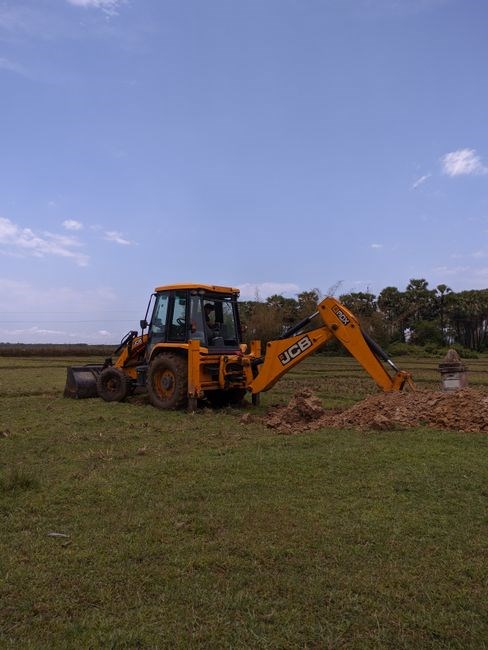
The PDF guide pinpoints serial number locations for each Case backhoe. For 580B/C/D series, the number is under the left door on the frame rail or beneath the base of the left lift arm. M series models have it on the rear chassis near the operator’s seat. Locate it quickly to confirm age! now!!!!!?
580 Series (580B/C/D) Placement

The Case Backhoe Serial Number and Year Guide PDF specifies that the serial number for 580B, 580C, and 580D models is stamped on side of the machine. It is located either under door on frame rail or beneath base of lift arm. The plate is a metal tag bearing a 7‑ to 8‑digit number in a font. Inspect frame rail just below door; serial number plate should be visible when door is opened or lift arm is lowered. If plate is not immediately visible, lift lift arm to expose area beneath base; number will be etched or stamped onto metal surface. This placement protects serial number from damage while remaining accessible to maintenance crews. Location is consistent across all 580B, 580C, and 580D models, making it easy to locate regardless of year or configuration. By consulting PDF guide, operators can confirm position and decode serial number to determine machine’s production year. If serial number is missing or illegible, PDF recommends contacting a Case dealer or service center for assistance. Knowing exact placement is crucial for warranty checks and maintenance records and for routine service and upkeep.
Other Series Placement (M Series)
For M Series backhoes the serial number is affixed to the frame rail adjacent to the operator’s seat. The plate is a small metal tag bearing a 7‑digit number in a bold font. It sits on the left side of the machine, just below the front wheel well, and is visible when the operator’s seat is lowered. The PDF guide confirms that the number is stamped on the metal surface and can be read without removing the plate. If the plate is covered by paint or debris, a light sanding will expose the digits. The serial number is essential for verifying the year of manufacture, warranty status, and for locating maintenance records. When inspecting an M Series unit, locate the plate on the frame rail, read the digits, and cross‑reference them with the PDF lookup table to determine the production year. If the serial number is missing or illegible, the guide advises contacting a Case dealer for a replacement tag or a service center for assistance. Proper identification of the serial number ensures accurate record‑keeping and compliance with safety regulations. The PDF also provides a quick reference chart that lists serial number ranges for each production year, allowing owners to cross‑check without external lookup. By following these instructions, operators can quickly verify the serial number, confirm the machine’s age, and ensure that all maintenance logs are correctly matched to the specific unit, thereby maintaining the equipment’s resale value and operational reliability. This tool saves time!

Case Backhoe Serial Number PDF Guide
The PDF guide offers a step‑by‑step method to decode a Case backhoe’s serial number, revealing its year of manufacture, model series, and warranty status. Download it to quickly verify equipment age and maintain accurate records for all models!!!
PDF Sections and How to Use
The PDF guide is structured into several logical sections that help users decode a Case backhoe serial number and determine its year of manufacture. The first section explains the overall serial number format, distinguishing older 7‑8 digit codes from newer 9‑10 digit patterns and showing how each digit group relates to model series, plant code, and year indicator. The next section provides a quick reference chart mapping common serial number patterns to specific production years, making it easy to see whether a machine was built before or after 2004. Following that, the guide walks through a step‑by‑step example using a real serial number (for instance, 8322415) to illustrate how to extract the year, model, and plant information. It also explains how to cross‑check the decoded data against official Case production records for accuracy. The final section covers troubleshooting tips for ambiguous or incomplete serial numbers, common errors to avoid, and links to additional resources such as the official Case website and maintenance databases; By following these sections, users can confidently determine the exact year of manufacture, verify warranty status, and maintain accurate equipment records for resale or service purposes. Additionally, the PDF includes a dedicated FAQ section that addresses common questions such as how to handle serial numbers that contain letters, what to do if the number appears incomplete, and how to verify the authenticity of the PDF itself. Users are encouraged to keep a copy of the decoded information in their maintenance logs for future reference. The guide also recommends periodic checks during routine maintenance to ensure that the serial number on the machine matches the documented record, thereby preventing potential warranty disputes or resale complications. With these tools, operators owners can manage their Case backhoes with confidence!.
Step-by-Step Decoding with PDF
Start by downloading the official PDF guide from the Case website or a reputable third‑party source. Open the document and navigate to the “Serial Number Structure” chapter, which presents a comprehensive table of digit positions and their meanings for every production year. Identify the serial number on your backhoe—most pre‑2004 models carry a 7‑8 digit code, while post‑2004 machines use a 9‑10 digit format. Type or read the digits into the PDF’s interactive field, or simply transcribe them onto a notepad for clarity.
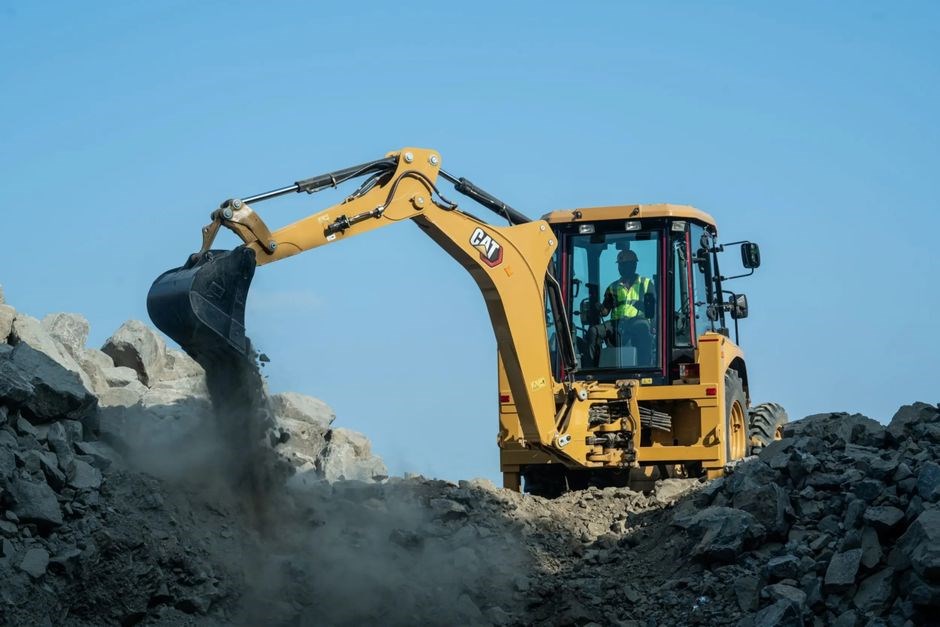
The first one or two digits denote the model series (e.g., “58” for the 580 series). The next digit or two usually correspond to the plant code; cross‑reference this with the plant list found in the PDF’s appendix to confirm the manufacturing location. The following two digits are the year code: pre‑2004 models employ a single digit (e.g., “4” for 2004), whereas post‑2004 models use a two‑digit year (e.g., “04” for 2004). The remaining digits uniquely identify the unit within the plant’s production batch.
After extracting each component, consult the “Year Lookup” table in the PDF to translate the year code into a full calendar year. If the serial number contains letters, refer to the “Alphanumeric Codes” subsection, which explains how to convert letter‑digit combinations into year and plant information. The PDF also offers a built‑in validation tool: input the full serial number and the tool will confirm whether the digits align with the expected pattern for the claimed year.
Once the year is confirmed, record the decoded data in your maintenance log and attach a screenshot of the relevant PDF section for future reference. This systematic approach guarantees accurate year determination, facilitates warranty verification, and supports resale or service documentation. By following these steps, operators can confidently interpret any Case backhoe serial number, ensuring compliance with manufacturer records and industry standards.
Common Issues and FAQ
Decoding a Case serial number can trigger confusion. Below are concise answers to the most common questions.
- Why does my number not match the PDF? The PDF reflects official records; a mismatch may mean the number was altered during repair or the machine was re‑branded. Verify the original stamping.
- What if the year code is missing? Pre‑2004 units use a single digit; if “0” or “1”, refer to the appendix. Post‑2004 models should have a two‑digit code; absence suggests a custom build.
- How to decode letters? Letters represent plant codes. Convert using the alphanumeric chart in the PDF.
- How to find the plant location? Cross‑reference the plant code with the appendix list; if absent, contact Case support.
- What if the number is scratched? Use a magnifier and fine‑point marker. If unreadable, request a service record from the dealer.
- Is the PDF updated? Yes, download the latest version from the Case website.
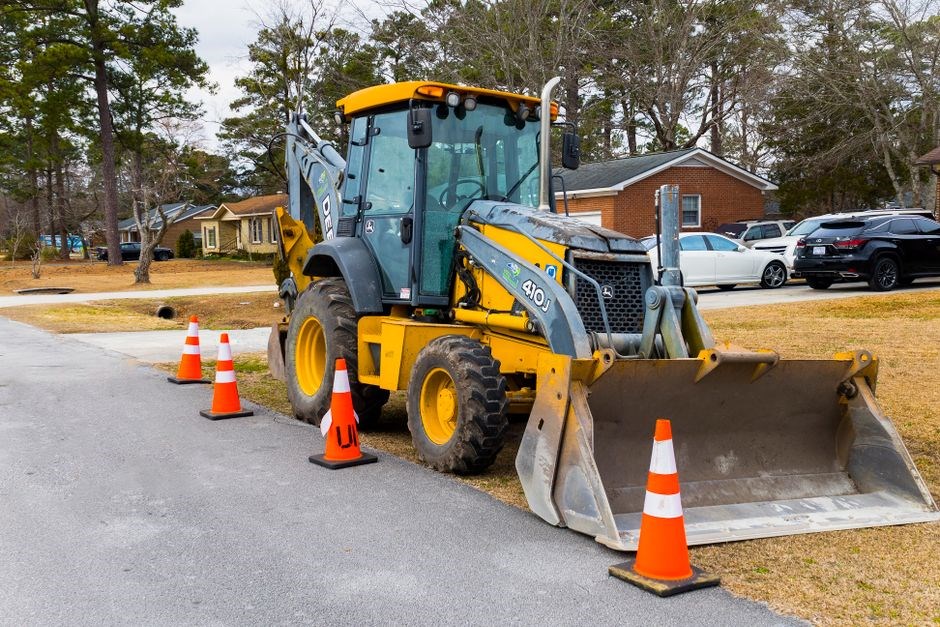
Use the PDF’s quick‑lookup tables to verify serial numbers on the field quicklynow.
For unresolved issues, the PDF’s “Troubleshooting” appendix offers step‑by‑step guidance and a link to Case’s online support portal.
Cheers!
Downloading and Accessing the PDF

To obtain the official Case backhoe serial number and year guide, follow these steps. First, navigate to the official Case website or the authorized dealer portal. In the top menu, click “Support” or “Resources,” then choose “Manuals & Guides.” From the search box, type “Case Backhoe Serial Number and Year Guide PDF.” The PDF, usually titled “Case_Backhoe_Serial_Number_Guide.pdf,” will appear in the results. Click the download icon; the file will open in your browser or download to your device. If you prefer a hard copy, use the print button or save the PDF locally. For mobile users, the PDF can be opened in most browsers or downloaded to a dedicated PDF reader app. Ensure your browser allows pop‑ups and downloads from the Case domain; If you see a 404 error, clear your browser cache or try a different browser. The guide contains a table of digit patterns for 1988‑2003 models, a two‑digit year code for 2004‑present models, and plant letter codes. It also includes troubleshooting steps if the serial number is scratched or illegible. Keep the PDF handy for quick reference during maintenance, resale, or when verifying warranty eligibility. If you need additional help, contact Case customer support via the website chat, email, or phone number listed in the PDF footer. The PDF is updated annually; download the latest version to ensure accurate decoding. Download the PDF to a USB drive for offline access or share it with your service team to streamline inspections. Happy decoding!