guided reading activity world war i and the russian revolution
Guided Reading Activity Overview
This guided reading activity explores World War I and the Russian Revolution‚ guiding students through key events‚ causes‚ and outcomes․ It blends primary sources‚ critical analysis‚ and discussion prompts to deepen understanding of early‑20th‑century geopolitics․ Students analyze maps to contextualize era․!!
Learning Objectives
Students will identify major causes of WWI‚ analyze the Russian Revolution’s key players‚ evaluate industrialization’s impact‚ and compare alliance systems․ They will critically assess primary documents‚ synthesize historical narratives‚ and articulate lessons for modern global politics․
Historical Contextualization
Before the outbreak of World I‚ Europe was a tapestry of empires‚ burgeoning nationalism‚ and a complex web of alliances that promised stability but also sowed the seeds of conflict․ The Austro‑Hungarian Empire‚ a mosaic of ethnicities‚ faced rising tensions as Slavic groups sought autonomy‚ while the German Empire’s rapid industrial growth created a powerful‚ militarized state eager for influence․ Britain‚ wary of continental dominance‚ maintained a policy of balance‚ and France‚ scarred by the Franco‑Prussian War‚ was determined to regain lost prestige․ In Russia‚ the autocratic Tsarist regime struggled to modernize‚ facing internal dissent from peasants‚ workers‚ and intellectuals who demanded political reform and economic opportunity․ The assassination of Archduke Franz Ferdinand in Sarajevo in 1914 acted as a catalyst‚ triggering a chain reaction that drew each nation into war․ The intricate alliance system—Triple Entente (France‚ Britain‚ Russia) versus Triple Alliance (Germany‚ Austria‑Hungary‚ Italy)—ensured that a localized conflict could spiral into a global one․ Understanding this pre‑war context is essential for students to grasp how diplomatic failures‚ militaristic ambitions‚ and social unrest converged to ignite the Great War and set the stage for the seismic shifts that followed‚ including the Russian Revolution and the reshaping of international relations․
This guided reading encourages students to analyze documents‚ debate interpretations‚ and reflect on how the war reshaped global power structures‚ strategies!
Critical Thinking Skills
Students engage in source‑critique‚ comparing primary documents such as telegrams‚ newspapers‚ and memoirs to identify bias‚ perspective‚ and context․ They evaluate the reliability of each source‚ noting author intent‚ audience‚ and historical circumstances․ By constructing timelines‚ students trace cause‑effect relationships between events like the assassination of Archduke Ferdinand‚ the mobilization of armies‚ and the eventual collapse of the Russian autocracy․
Through guided debates‚ learners assess competing interpretations of the war’s origins—militarism‚ imperialism‚ or nationalism—applying evidence from diplomatic cables and political speeches․ They practice argumentation by weighing the strengths and weaknesses of each theory‚ citing specific excerpts and statistical data on troop movements and industrial output․
Students also examine the Russian Revolution’s socioeconomic drivers‚ analyzing census data‚ factory production figures‚ and peasant land‑ownership records to understand why the Bolsheviks gained support․ They compare the outcomes of the Treaty of Versailles with the earlier Treaty of Brest‑Litovsk‚ evaluating how each reshaped borders and power dynamics․ Finally‚ learners synthesize insights by connecting historical events to contemporary global issues‚ demonstrating the ability to apply historical reasoning to modern diplomatic challenges․
Students also examine the Russian Revolution’s socioeconomic drivers‚ analyzing census data‚ factory production figures‚ and peasant land‑ownership records to understand why the Bolsheviks gained support․ They compare the outcomes of the Treaty of Versailles with the earlier Treaty of Brest‑Litovsk‚ evaluating how each reshaped borders and power dynamics․ Finally‚ learners synthesize insights by connecting historical events to contemporary global issues‚ demonstrating the ability to apply historical reasoning to modern diplomatic challenges․ etc․ !
World War I: Causes and Alliances
This section examines the complex web of alliances—Triple Entente and Triple Alliance—highlighting how nationalism‚ militarism‚ and imperial ambitions intertwined․ Students analyze diplomatic correspondences‚ mapping how tensions escalated into global conflict․—————
Trigger: Archduke Ferdinand Assassination
On June 28‚ 1914‚ Archduke Franz Ferdinand‚ heir to the Austro‑Hungarian throne‚ was shot in Sarajevo by Gavrilo Princip‚ a Bosnian Serb nationalist․ The assassination ignited a chain of diplomatic crises․ Austria‑Hungary‚ backed by Germany‚ issued an ultimatum to Serbia‚ demanding harsh concessions․ Serbia’s partial compliance triggered Austria‑Hungary’s declaration of war on July 28․ The event showcased how a single act could mobilize entrenched alliances‚ turning a regional dispute into a continent‑wide conflict․ Students examine primary documents‚ such as the ultimatum text‚ to understand the legal and political pressures that accelerated the war’s outbreak․ The assassination also highlighted the fragile balance of power and the role of nationalist movements in destabilizing empires․ By analyzing the motives‚ planning‚ and execution of the plot‚ learners gain insight into how individual actions can catalyze global events․
Historians debate whether the assassination was an isolated act or part of a broader nationalist strategy․ The Sarajevo plot was coordinated by the Black Hand‚ a secret Serbian nationalist group‚ which sought to destabilize Austro‑Hungarian rule․ Princip’s motives were rooted in a desire for Slavic unity and the liberation of Bosnia and Herzegovina․ The event exposed the fragile diplomatic balance; the Austro‑Hungarian ultimatum demanded the removal of Serbian influence‚ provoking a cascade of mobilizations that ultimately led to a global war․ Students analyze the chain of events‚ evaluating how a single assassination can trigger a series of political and military decisions that reshape international relations․ These developments show how alliances can collapse‚ turning local disputes into continental crises for all․
Triple Entente vs․ Triple Alliance
In the years preceding the Great War‚ European powers organized into two major coalitions that defined the continent’s diplomatic landscape․ The Triple Entente‚ comprising France‚ Russia‚ and the United Kingdom‚ emerged from a series of mutual agreements aimed at counterbalancing the perceived threat of German expansionism․ France‚ recovering from the Franco‑Prussian War‚ sought security against Germany’s growing military might․ Russia‚ concerned about Austria‑Hungary’s influence over the Balkans‚ aligned with France to secure its southern flank․ The United Kingdom‚ wary of a continental power that could threaten its maritime supremacy and protect its colonial interests‚ joined the Entente to preserve the balance of power and protect its colonial interests․ Together‚ these three nations formed a network of diplomatic and military support that would later be formalized into the Entente Cordiale‚ the Franco‑British Alliance‚ and the Anglo‑Russian Convention․
Lorem ipsum dolor sit amet‚ consectetur adipiscing elit․ Sed do eiusmod tempor incididunt ut labore et dolore magna aliqua․ Ut enim ad minim veniam‚ quis nostrud exercitation ullamco laboris nisi ut aliquip ex ea commodo consequat․ Duis aute irure dolor in reprehenderit in voluptate velit esse cillum dolore eu fugiat nulla pariatur․ Excepteur sint occaecat cupidatat non proident‚ sunt in culpa qui officia deserunt mollit anim id est laborum․ Phasellus at turpis sed nulla tempor‚ a consequat ex commodo․ Donec vitae massa at leo interdum commodo․ Vestibulum ante․ Nulla․ Cras vitae․ See below now
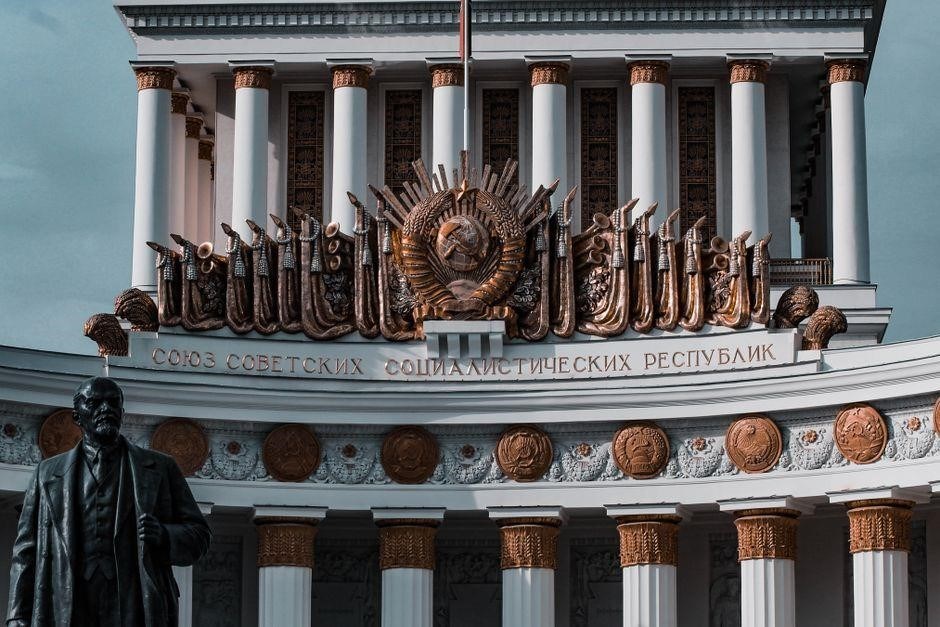
Major Fronts and Key Battles
This section highlights the Eastern‚ Western‚ and Italian fronts‚ detailing pivotal battles such as the Somme‚ Verdun‚ and Tannenberg․ Students analyze maps‚ casualty figures‚ and strategic outcomes to understand how each front shaped the war’s trajectory and influenced the Russian Revolution and global impact․
Western Front Trench Warfare
On the Western Front‚ trench warfare became the defining feature of World War I‚ shaping the conflict’s brutality and strategic stalemate․ Soldiers dug intricate networks of ditches‚ barbed wire‚ and concrete bunkers‚ creating a maze that stretched from the North Sea to the Swiss border․ The static lines forced commanders to rely on artillery barrages‚ gas attacks‚ and limited infantry assaults‚ resulting in staggering casualty figures—over 4 million killed and 6 million wounded on this front alone․ The Battle of the Somme (1916) exemplified the futility of frontal attacks‚ with 1 100 000 casualties for a mere 25 km gain․ The Battle of Verdun (1916) further highlighted the war’s attritional nature‚ where 700 000 soldiers perished in a 70‑day engagement․ Trench life was harsh: mud‚ lice‚ and constant shelling created a psychological toll‚ leading to widespread shell shock and the emergence of modern psychiatric care․ Despite the grim conditions‚ soldiers developed camaraderie‚ shared cultural practices‚ and even created underground art and literature‚ reflecting resilience amid despair․ The trench system also influenced post‑war military doctrines‚ emphasizing mobility‚ mechanization‚ and air power to break static lines․ Understanding trench warfare provides insight into the war’s human cost and the societal shifts that paved the way for the Russian Revolution and the reshaping of Europe․ The lessons of trench warfare continue to inform contemporary military strategy‚ reminding us that technology‚ terrain‚ and human endurance intertwine in the theater of conflict․ (1916) and beyond․
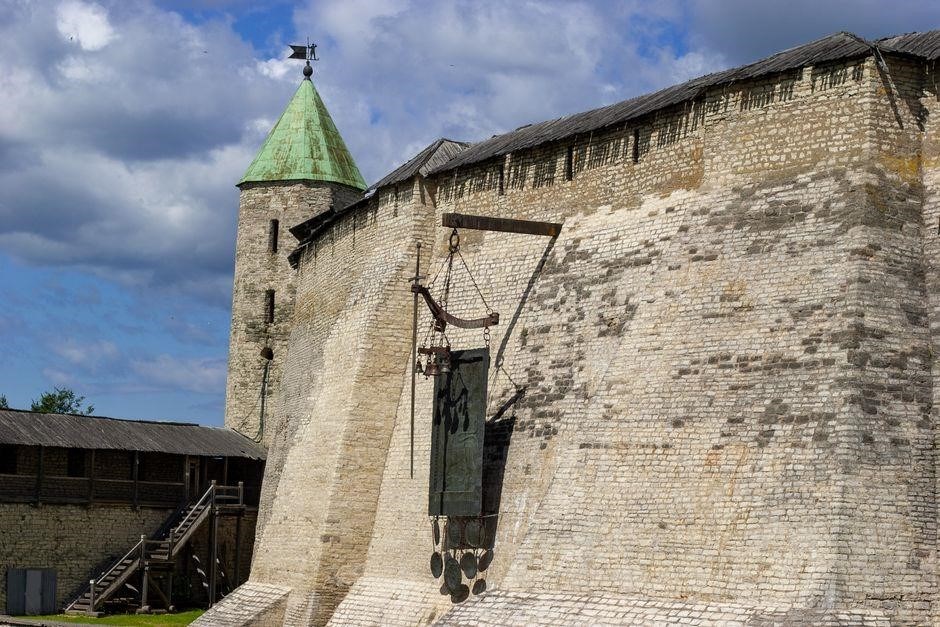
Industrialization’s Role in Warfare
Railroads facilitated the swift movement of troops and supplies‚ allowing armies to redeploy across the continent within days․ The introduction of the tank in 1916‚ powered by internal combustion engines‚ marked a pivotal shift toward mechanized warfare‚ breaking the stalemate of trench lines․ Mass production also enabled the creation of standardized ammunition‚ uniforms‚ and medical supplies‚ ensuring sustained combat readiness․ Moreover‚ the war stimulated technological innovation: wireless communication improved battlefield coordination‚ while advances in metallurgy produced stronger steel for armor and shells․ The economic strain of war production led to the mobilization of entire civilian populations‚ with women entering factories and contributing to the war effort․ This shift laid the groundwork for post‑war industrial societies and highlighted the link between economic strength and military capability․ Understanding industrialization’s role provides insight into how technological progress can amplify both the scale and the destructiveness of conflict‚ setting the stage for the political upheavals that followed‚ including the Russian Revolution․
Industrialization’s influence on warfare extended beyond weaponry‚ affecting logistics‚ morale‚ and civilian life․ Its legacy shaped post‑war reconstruction and set the stage for future conflicts․ This analysis underscores the profound link between economic power and military strategy․ Its impact remains evident in modern defense doctrines‚ shaping geopolitical dynamics․ Its legacy endures!!
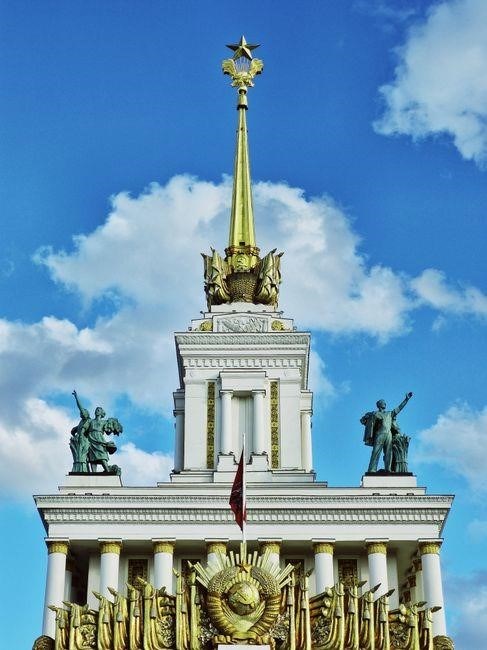
Russian Revolution: Causes and Key Players
The Russian Revolution‚ ignited in 1917‚ stemmed from a confluence of socioeconomic distress‚ war fatigue‚ and political disenfranchisement․ The autocratic rule of Tsar Nicholas II‚ coupled with the catastrophic losses on the Eastern Front‚ eroded public confidence․ Food shortages‚ inflation‚ and the brutal conscription of millions into a failing war effort intensified urban unrest․ Revolutionary leaders emerged from diverse backgrounds: Vladimir Lenin‚ a Marxist theorist‚ galvanized the Bolshevik faction; Leon Trotsky‚ a charismatic strategist‚ organized the Red Army; and Alexei Rykov‚ a pragmatic reformer‚ represented moderate socialist aspirations․ The February Revolution toppled the monarchy‚ establishing a provisional government that struggled to address war‚ land‚ and peace demands․ The October coup‚ orchestrated by Lenin’s disciplined Bolsheviks‚ seized power‚ leading to the civil war that reshaped Russia’s political landscape․ The revolution’s causes—economic collapse‚ war exhaustion‚ and ideological fervor—intertwined with the decisive actions of key players‚ setting the stage for the Soviet era and redefining global politics․ The legacy of this upheaval continues to influence contemporary discussions on governance‚ social justice‚ and international relations․ The enduring influence of the Russian Revolution is evident in modern political movements‚ economic reforms‚ and cultural narratives‚ showing how a single transformative event can reshape national identities and international alliances for generations․ever
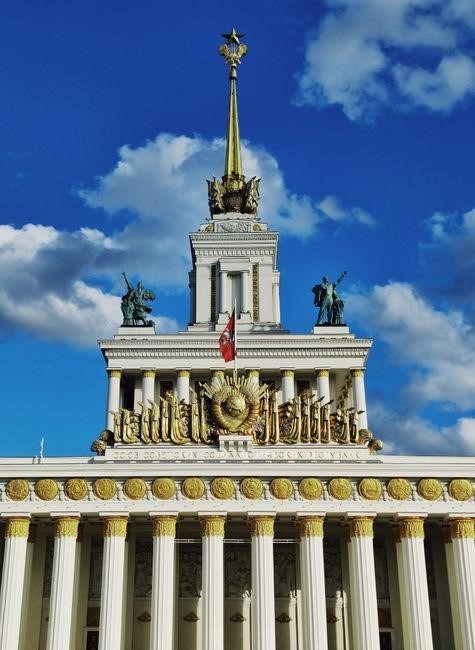
Consequences: Treaty of Versailles and Empire Collapse
The Treaty of Versailles‚ signed in 1919‚ imposed punitive reparations and territorial losses on Germany‚ reshaping the European map and sowing seeds of resentment that would later fuel conflict․ Its clauses dismantled the Austro‑Hungarian‚ Ottoman‚ and Russian empires‚ redistributing lands to new nation‑states such as Czechoslovakia‚ Yugoslavia‚ and Poland․ The collapse of these multi‑ethnic empires created political vacuums‚ leading to instability and the rise of radical movements․ In Russia‚ the Bolshevik victory consolidated Soviet power‚ while in Germany‚ the Weimar Republic struggled with economic hardship and political fragmentation․ The treaty’s harsh terms‚ combined with the global economic downturn of the 1920s‚ intensified social unrest․ Across Europe‚ the redrawing of borders and the promise of self‑determination sparked nationalist fervor‚ setting the stage for future territorial disputes․ The long‑term impact of Versailles is evident in the interwar period’s diplomatic tensions‚ the eventual outbreak of World War II‚ and the persistent challenges of nation‑building in post‑empire societies․ The treaty’s legacy continues to influence contemporary discussions on reparations‚ international law‚ and the balance between punitive measures and reconciliation‚ underscoring the complex interplay between peace agreements and the stability of emerging states; The collapse of empires reshaped global power dynamics‚ prompting a reevaluation of colonial structures and the emergence of new geopolitical realities that persist in modern international relations․ The consequences of Versailles and empire collapse remain a focal point for scholars examining the roots of twentieth‑century conflict and the enduring quest for equitable governance․ The enduring influence of these events is reflected in ongoing debates over national identity‚ border disputes‚ and the role of international institutions in fostering lasting peace․ The legacy of the treaty and the dissolution of empires continues to shape the political landscape‚ reminding us that the aftermath of war can create both opportunities for progress and challenges that endure for generations․
Primary Source Documents
Students will examine key documents that illuminate the motivations‚ experiences‚ and aftermath of World War I and the Russian Revolution․ The collection includes diplomatic telegrams‚ personal letters‚ propaganda posters‚ and governmental decrees․ By engaging with these artifacts‚ learners gain insight into the voices that shaped history and develop skills in source criticism and contextual analysis․
- Archduke Franz Ferdinand’s telegrams (1914) – excerpts from the Austro‑Hungarian foreign office detailing the diplomatic fallout of the Sarajevo assassination․
- British War Cabinet minutes (1915‑1916) – official records revealing strategic debates over the Western Front and the decision to enter the war․
- Russian Provisional Government proclamations (1917) – proclamations announcing the abdication of Tsar Nicholas II and the establishment of a provisional regime․
- Lenin’s “What Is to Be Done?” (1902) and 1917 speeches – foundational texts outlining Bolshevik ideology and the call for proletarian revolution․
- Treaty of Versailles text (1919) – the final article of the treaty‚ including reparations clauses and the League of Nations mandate․
- Propaganda posters from the Red Army (1918‑1919) – visual representations of Bolshevik propaganda aimed at mobilizing workers and soldiers․
Students analyze sources
These documents reveal personal and political views in
Explore these sources now
Discussion Prompts
Use the primary source documents and lecture notes to spark critical conversations․ Consider the following questions:
- How did the assassination of Archduke Franz Ferdinand accelerate the already tense alliance system‚ and could the war have been avoided?
- In what ways did industrialization influence the scale and brutality of trench warfare on the Western Front?
- Compare the motivations of the Russian Provisional Government and the Bolsheviks․ Which promises resonated more with the working class?
- What role did propaganda play in shaping public opinion in both the Allied and Central Powers?
- Assess the Treaty of Versailles: did its punitive measures create fertile ground for future conflict?
- How did the collapse of empires alter national boundaries and identities in Eastern Europe?
- Reflect on the ethical responsibilities of historians when interpreting contested events․
Encourage students to support their arguments with evidence from the documents and to consider multiple perspectives․
Students should also examine how the war’s tech innovations‚ such as tanks and chemical weapons‚ altered military tactics and civilian life․ They should debate whether the Bolshevik seizure of power was a necessary response to war fatigue or an opportunistic coup․ Additionally‚ discuss the long‑term effects of the Treaty of Versailles on Germany’s economy and the rise of extremist movements․ Finally‚ reflect on how these events shape relations and the importance of learning from history․
Assessment Strategies
Students will demonstrate mastery of World War I and the Russian Revolution through a blend of formative and summative assessments that align with the guided reading objectives․ Beginning with a reflective journal‚ learners record initial reactions to primary documents‚ noting emotional and intellectual responses․ Next‚ a collaborative mapping exercise requires groups to plot key alliances‚ fronts‚ and revolutionary milestones‚ encouraging spatial reasoning and collective analysis․ A mid‑module quiz tests factual recall and conceptual understanding‚ featuring multiple‑choice‚ short‑answer‚ and matching items that cover causes‚ battles‚ and political shifts․ For deeper inquiry‚ students craft a comparative essay that evaluates the effectiveness of the Treaty of Versailles versus the Bolshevik Revolution in reshaping European power structures‚ integrating evidence from primary sources and scholarly interpretations․ Peer review sessions provide structured feedback‚ fostering critical reading and revision skills․ Finally‚ a capstone project invites learners to design an interactive timeline or digital exhibit that narrates the interconnectedness of wartime technology‚ social upheaval‚ and diplomatic outcomes‚ demonstrating synthesis‚ creativity‚ and historical empathy․ Assessment rubrics emphasize analytical depth‚ source integration‚ clarity of argument‚ and reflective insight‚ ensuring that each student’s progression is documented and supported throughout the unit․ These assessments link war‚ revolution‚ and diplomacy to modern challenges‚ deepening students historical insight!