
seven african powers the orishas pdf
Seven African Powers: Exploring the Orishas
Delving into the realm of Yoruba spirituality‚ this exploration unveils the potent energies of the Orishas‚ accessible through dedicated PDF resources․
Discover the divine intermediaries‚ their origins‚ and rituals‚ offering a pathway to understanding these powerful African deities and their enduring legacy․
The Orishas‚ central figures in Yoruba spirituality originating from West Africa – primarily Nigeria and Benin – represent a complex pantheon of divine beings․ These aren’t gods in the Western sense‚ but rather powerful spirits acting as intermediaries between humanity and Olodumare‚ the supreme creator․ Understanding them requires exploring readily available PDF resources detailing their individual characteristics and roles․
Each Orisha embodies specific aspects of nature and human experience‚ influencing life’s various facets․ From the messenger Eshu to the wise Orunmila‚ they guide‚ protect‚ and challenge individuals on their spiritual journeys․ Numerous texts‚ often found in downloadable PDF format‚ meticulously outline their histories‚ myths‚ and associated rituals․ These resources are invaluable for those seeking deeper insight into this rich tradition․
The Seven African Powers – a popular grouping within the Orisha system – offer a concentrated focus for devotees․ Studying these seven through dedicated PDF guides provides a structured approach to understanding their interconnectedness and individual significance within the broader Yoruba cosmology․
Historical Origins of Yoruba Religion
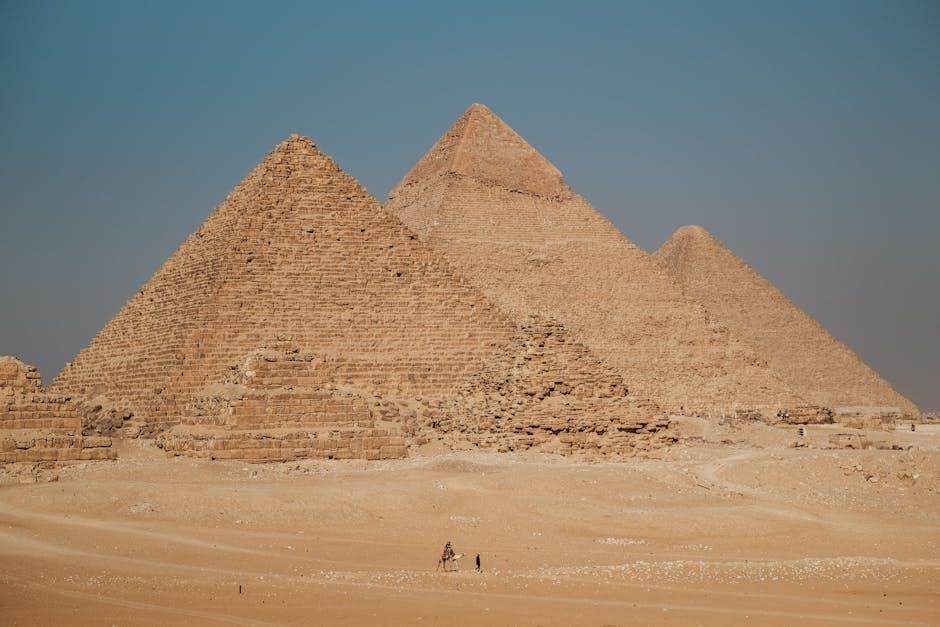
Yoruba religion‚ the wellspring of the Orisha tradition‚ traces its roots back centuries in West Africa‚ flourishing amongst the Yoruba people of present-day Nigeria and Benin․ Its origins are deeply intertwined with the region’s history‚ evolving through oral traditions and practices passed down through generations․ Detailed accounts‚ often compiled in scholarly PDF documents‚ explore this rich heritage․
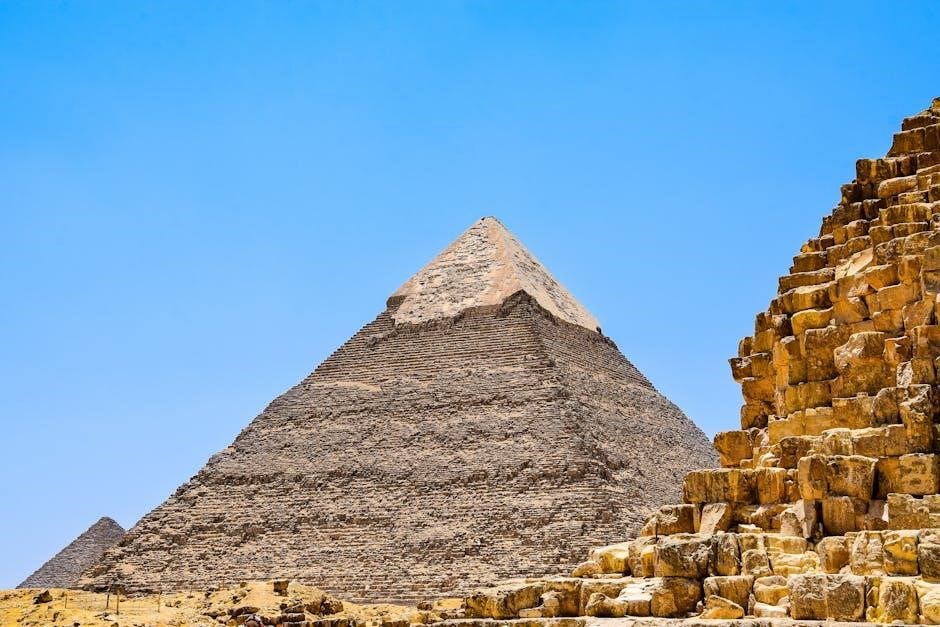
The transatlantic slave trade dramatically impacted the religion’s trajectory‚ dispersing Yoruba beliefs and practices to the Americas‚ particularly Brazil‚ Cuba‚ and the Caribbean․ This diaspora led to syncretism‚ blending Yoruba traditions with indigenous and Catholic beliefs․ Numerous PDF resources document this fascinating cultural exchange and the resulting variations in Orisha worship․
Studying historical texts and contemporary analyses – frequently available as PDF downloads – reveals the resilience of Yoruba spirituality and its enduring influence on various Afro-diasporic religions․ Understanding this history is crucial for appreciating the depth and complexity of the Seven African Powers and their associated rituals․
The Yoruba People and Their Beliefs
The Yoruba‚ renowned for their artistic prowess and complex social structures‚ possess a worldview deeply rooted in spirituality․ Central to their beliefs is the concept of Olodumare‚ the supreme creator‚ distant and inaccessible to humanity․ Interaction with the divine occurs through the Orishas – powerful deities embodying specific aspects of nature and human experience․
These Orishas aren’t viewed as all-powerful gods‚ but rather as intermediaries‚ each with unique personalities‚ preferences‚ and domains․ They guide and protect their devotees‚ offering assistance in exchange for reverence and offerings․ Comprehensive PDF guides detail the characteristics and roles of each Orisha‚ including those comprising the Seven African Powers․
Yoruba cosmology emphasizes balance and harmony‚ with rituals designed to maintain equilibrium between the spiritual and material realms․ Exploring these beliefs through available PDF resources provides invaluable insight into the cultural context from which the Orisha tradition emerged and continues to thrive․
Understanding Orisha as Divine Intermediaries
Orishas function as vital links between Olodumare‚ the supreme deity‚ and humanity‚ bridging the gap between the divine and earthly realms․ They aren’t distant‚ unapproachable gods‚ but active participants in human affairs‚ offering guidance‚ protection‚ and assistance to their devotees․
Each Orisha embodies specific energies and attributes – Ogún representing iron and warfare‚ Oshun embodying love and beauty‚ for example․ Understanding their individual personalities and preferences is crucial for effective communication and reverence․ Detailed PDF resources offer comprehensive profiles of each Orisha‚ clarifying their roles and associated rituals․
Through offerings and devotion‚ individuals can cultivate relationships with these divine intermediaries‚ seeking their blessings and support․ Studying these connections via accessible PDF materials unlocks a deeper comprehension of Yoruba spirituality and the power of the Seven African Powers․
The Seven African Powers – A Detailed Look
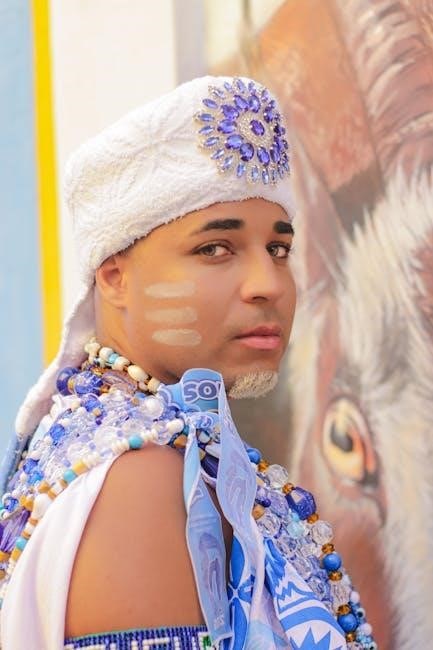
Explore the unique attributes of each Orisha – Eshu‚ Ogún‚ Oshun‚ Yemayá‚ Changó‚ Oyá‚ and Orunmila – through comprehensive PDF guides․
Eshu: The Divine Messenger and Opener of Paths
Eshu‚ a pivotal Orisha‚ functions as the universal magical agent and divine messenger‚ receiving all offerings before they reach other deities․ He’s not inherently good or evil‚ embodying duality and representing crossroads – pivotal moments of decision and change․
Understanding Eshu requires acknowledging his complex nature; he can both create obstacles and remove them‚ testing devotees’ resolve․ PDF resources dedicated to the Seven African Powers often detail Eshu’s intricate symbolism‚ including his association with trickery and unpredictable energy․
Rituals honoring Eshu often involve offerings of palm oil‚ kola nuts‚ and coins‚ acknowledging his role as the opener of paths․ Studying these practices through available PDF guides provides deeper insight into his significance within the Yoruba pantheon and his crucial role in facilitating communication with the divine․
Ogún: The Orisha of Iron‚ War‚ and Technology
Ogún reigns as the powerful Orisha of iron‚ representing strength‚ courage‚ and the tools of creation and destruction․ He embodies both the forge and the battlefield‚ symbolizing progress‚ innovation‚ and the relentless force of change․ His dominion extends to all metalwork‚ technology‚ and skilled craftsmanship․
Devotees often seek Ogún’s assistance in overcoming obstacles and achieving victory in endeavors requiring determination and resilience․ Detailed PDF resources on the Seven African Powers illuminate Ogún’s complex personality‚ acknowledging his sometimes-volatile nature and the need for respectful offerings․
Traditional offerings to Ogún include tools‚ weapons‚ and rum‚ reflecting his association with labor and warfare․ Exploring these rituals through dedicated PDF guides provides a deeper understanding of his significance and the proper ways to honor this formidable Orisha․
Oshun: The Goddess of Love‚ Beauty‚ and Fertility
Oshun‚ the radiant Orisha‚ embodies love‚ beauty‚ prosperity‚ and the sweet waters of life․ She is revered as a goddess of fertility‚ sensuality‚ and diplomacy‚ representing the nurturing and creative forces of nature․ Her energy is associated with joy‚ abundance‚ and the arts․
Devotees often turn to Oshun for guidance in matters of the heart‚ seeking her blessings for harmonious relationships and personal fulfillment․ Comprehensive PDF resources detailing the Seven African Powers offer insights into Oshun’s multifaceted personality and her role in Yoruba cosmology․
Offerings to Oshun typically include honey‚ sweet fruits‚ yellow flowers‚ and mirrors‚ symbolizing her love of beauty and pleasure․ Studying these practices through accessible PDF guides deepens understanding of her divine essence and the ways to connect with her grace․
Yemayá: The Mother of Waters and Protector of Life
Yemayá reigns as the powerful Orisha of the oceans‚ embodying motherhood‚ protection‚ and the life-giving force of water․ She is considered the source of all life‚ nurturing and safeguarding humanity with her immense compassion and unwavering strength․ Her dominion extends to fertility‚ childbirth‚ and emotional well-being․
Devotees seek Yemayá’s guidance for safe journeys‚ emotional healing‚ and blessings for families․ Detailed PDF resources dedicated to the Seven African Powers illuminate her profound significance within the Yoruba pantheon and her connection to ancestral wisdom․
Offerings to Yemayá traditionally include items associated with the sea – seashells‚ coconuts‚ and blue or white flowers – presented with reverence and gratitude․ Exploring these rituals via accessible PDF guides fosters a deeper connection to her nurturing energy․
Changó: The Orisha of Thunder‚ Fire‚ and Male Virility
Changó‚ a formidable Orisha‚ embodies power‚ passion‚ and justice; He is the ruler of thunder‚ lightning‚ fire‚ and male virility‚ representing strength‚ leadership‚ and righteous authority․ Often depicted with a double-headed axe‚ Changó commands respect and inspires courage in his followers․
Devotees call upon Changó for strength in overcoming obstacles‚ for protection against enemies‚ and for the assertion of their own power․ Comprehensive PDF resources detailing the Seven African Powers delve into his complex character and the nuances of his worship․
Rituals honoring Changó frequently involve red and white offerings‚ along with drumming and dance‚ reflecting his energetic and dynamic nature․ Studying these practices through dedicated PDF guides enhances understanding of this potent Orisha․
Oyá: The Orisha of Winds‚ Storms‚ and Transformation
Oyá‚ the Orisha of winds‚ storms‚ and transformation‚ represents change‚ fierce female energy‚ and the power of the wild․ She is a warrior spirit‚ associated with cemeteries and the ancestors‚ guiding souls through transitions and clearing paths for new beginnings․
Devotees seek Oyá’s assistance during times of upheaval‚ seeking strength to navigate change and embrace transformation․ Detailed PDF resources on the Seven African Powers illuminate her role as a powerful protector and catalyst for growth․

Rituals dedicated to Oyá often involve offerings of pumpkins‚ eggplants‚ and strong winds‚ symbolizing her dominion over the elements․ Exploring these traditions through accessible PDF guides deepens understanding of her dynamic influence․

Orunmila: The Orisha of Wisdom and Prophecy
Orunmila‚ revered as the Orisha of wisdom and prophecy‚ embodies divine knowledge and the intricate workings of fate․ He is the prophet of Ifá‚ bringing the system of divination to humanity‚ offering guidance and insight into life’s complexities․
Through the Ifá system‚ Orunmila reveals destinies and provides solutions to challenges‚ emphasizing the importance of ethical conduct and spiritual growth․ Comprehensive PDF resources detailing the Seven African Powers extensively cover his pivotal role․
Studying Orunmila’s teachings‚ often found within accessible PDF guides‚ unlocks a deeper understanding of Yoruba cosmology and the power of informed decision-making․ He represents the pursuit of knowledge and the harmonious alignment with one’s destiny․

Rituals and Practices Associated with the Orishas
Explore offerings‚ divination‚ and ritual practices detailed in PDF guides‚ revealing how devotees connect with the Orishas and honor their divine powers․
Offerings and Sacrifices
Offerings to the Orishas are central to Yoruba practice‚ representing reciprocity and respect for the divine forces that govern existence․ These aren’t viewed as bribes‚ but rather as nourishment and acknowledgment of the Orisha’s power․ Detailed PDF resources outline specific preferences; for example‚ Eshu receives offerings at the crossroads‚ while Oshun favors sweet fruits‚ honey‚ and yellow items․
Sacrifices‚ historically including animals‚ are less common today‚ often replaced with symbolic substitutions․ The intent behind the offering is paramount – a sincere heart and focused energy․ PDF guides emphasize the importance of proper ritual procedure‚ ensuring the offering reaches its intended recipient․ Understanding the symbolism embedded within each offering‚ as explained in these resources‚ deepens the connection with the Orishas and strengthens spiritual efficacy․
Ultimately‚ offerings and sacrifices are acts of devotion‚ fostering a harmonious relationship between humanity and the divine realm․
Divination and the Ifá System
Central to Yoruba spirituality is the Ifá divination system‚ a complex method for communicating with Orunmila‚ the Orisha of wisdom and prophecy․ Utilizing sacred palm nuts or a divination chain‚ a Babalawo (Ifá priest) interprets patterns to reveal insights into an individual’s destiny and challenges․ Numerous PDF resources detail the 256 Odu Ifá‚ each representing a unique set of circumstances and guidance․
These interpretations aren’t fortune-telling‚ but rather offer pathways for navigating life’s complexities․ PDF guides explain how to understand the Odu‚ identify potential obstacles‚ and receive recommendations for propitiatory offerings or rituals․ The Ifá system provides a framework for personal growth and alignment with one’s divine purpose․
Mastering Ifá requires years of dedicated study and initiation‚ but introductory PDFs offer a foundational understanding of its principles․
The Role of Blood in Rituals
Historically‚ blood held profound significance in Yoruba religious practices‚ representing axé – vital life force and spiritual power․ Offerings involving animal sacrifice were common‚ with blood serving as a conduit to nourish and communicate with the Orishas․ Contemporary practices often utilize symbolic substitutions‚ though understanding the historical context remains crucial․ Several PDF resources explore the traditional concepts of blood within these African-derived cults․
These texts detail how blood was believed to possess the power to restore balance‚ heal‚ and facilitate transformation․ PDF guides emphasize that these rituals weren’t acts of violence‚ but rather sacred exchanges intended to strengthen the connection between the human and divine realms․
However‚ ethical considerations are paramount‚ and modern practitioners often prioritize respectful alternatives detailed in available PDF materials․
Quimbanda and its Connection to African Cults
Quimbanda‚ originating in Angola and Congo‚ blends African traditions with elements of Macumba‚ offering unique spiritual pathways explored in detailed PDF guides․
Origins of Quimbanda in Angola and Congo
Quimbanda’s roots are deeply embedded in the 19th-century spiritual landscape of Angola and the Congo‚ evolving from a complex interplay of indigenous beliefs and the forced transplantation of African traditions during the transatlantic slave trade․ It emerged as a syncretic practice‚ absorbing elements from various Bantu cultures‚ including those of the Kongo people‚ and incorporating aspects of Candomblé-de-caboclo․
Initially‚ Quimbanda served as a means of resistance and cultural preservation for enslaved Africans‚ providing a spiritual refuge and a way to maintain connections to their ancestral heritage․ The practice often involved working with spirits associated with the natural world‚ ancestors‚ and Exus – entities often misunderstood but crucial to the system․
Detailed PDF resources illuminate how Quimbanda distinguished itself from other Afro-Brazilian religions by focusing on practical magic and spirit work‚ often addressing everyday concerns and offering solutions to immediate problems․ This focus‚ combined with its unique cosmology and ritual practices‚ solidified its distinct identity within the broader spectrum of African-derived spiritual traditions․
Macumba and its Influence
Macumba‚ a term often broadly applied to Afro-Brazilian religious practices‚ significantly influenced the development of Quimbanda‚ acting as a foundational layer upon which it built its unique identity․ Originating as a blend of West African Yoruba traditions‚ Bantu beliefs from Angola and Congo‚ and elements of Catholicism‚ Macumba provided a fertile ground for spiritual innovation․
Early Quimbanda practitioners frequently drew upon Macumba’s rituals‚ spirit work‚ and cosmological understanding‚ adapting them to suit their specific needs and perspectives․ However‚ Quimbanda gradually diverged‚ emphasizing a more direct engagement with spirits and a focus on practical problem-solving․
PDF documents detailing the history of these traditions reveal that while Macumba often incorporates elaborate ceremonies and a wider pantheon of deities‚ Quimbanda tends towards a more streamlined approach․ Despite these differences‚ the historical connection remains undeniable‚ shaping Quimbanda’s evolution and its place within the landscape of African-derived spirituality․

Resources and Further Study
Explore comprehensive PDF guides and reliable online sources to deepen your understanding of the Orishas‚ their rituals‚ and rich cultural heritage․
Finding Reliable Information on the Orishas
Navigating the vast landscape of information regarding the Orishas requires discernment․ Many sources exist‚ but verifying authenticity and cultural sensitivity is paramount․ Seek out academic publications‚ scholarly articles‚ and resources created by initiated practitioners of Yoruba traditions․ Beware of generalized or sensationalized content lacking proper context․
Numerous PDF documents are available online‚ offering insights into the Seven African Powers․ However‚ critically evaluate their origins and author credentials․ Look for materials stemming from reputable institutions or established lineages within the Yoruba religious community․ Websites dedicated to African spirituality‚ curated by knowledgeable individuals‚ can also prove invaluable․ Prioritize resources that emphasize respect for the traditions and avoid appropriation or misrepresentation․ Remember‚ genuine understanding comes from respectful engagement and continuous learning․
PDF Resources on the Seven African Powers
Locating comprehensive PDF resources dedicated to the Seven African Powers demands careful searching․ While a definitive‚ universally endorsed collection doesn’t exist‚ several valuable documents circulate within spiritual communities and academic circles․ These often detail Orisha attributes‚ associated rituals‚ and historical context․
Online repositories and digital libraries may host scanned texts of older Yoruba religious materials‚ though accessibility varies․ Search terms like “Orisha‚” “Yoruba deities‚” and specific Orisha names (e․g․‚ “Changó‚” “Yemayá”) combined with “PDF” yield results․ Exercise caution; verify the source’s credibility before accepting information as accurate․ Look for publications from established Yoruba cultural centers or scholars specializing in African religions․ Remember‚ these PDFs are often supplementary to‚ not replacements for‚ direct mentorship and experiential learning․
Contemporary Relevance of Yoruba Spirituality
Despite its ancient roots‚ Yoruba spirituality‚ including the veneration of the Seven African Powers‚ maintains vibrant relevance today․ The diaspora has fostered its growth beyond West Africa‚ with communities in the Americas – particularly Brazil‚ Cuba‚ and the United States – actively preserving and evolving traditions․
Increasingly‚ individuals seek connection with these deities for guidance‚ healing‚ and a deeper understanding of life’s purpose․ The emphasis on ancestral connection‚ ethical living‚ and harmonious relationships with nature resonates with contemporary concerns․ Access to information‚ including PDF resources detailing Orisha lore‚ facilitates wider exploration․ However‚ authentic practice necessitates respectful engagement‚ ideally under the guidance of initiated elders‚ ensuring the preservation of cultural integrity and avoiding appropriation․