
oven ready lasagna instructions
Understanding Oven-Ready Lasagna Instructions
Oven-ready lasagna simplifies meal preparation, offering convenience for busy schedules․ These pre-assembled lasagnas require minimal effort, typically involving only removing packaging and baking․
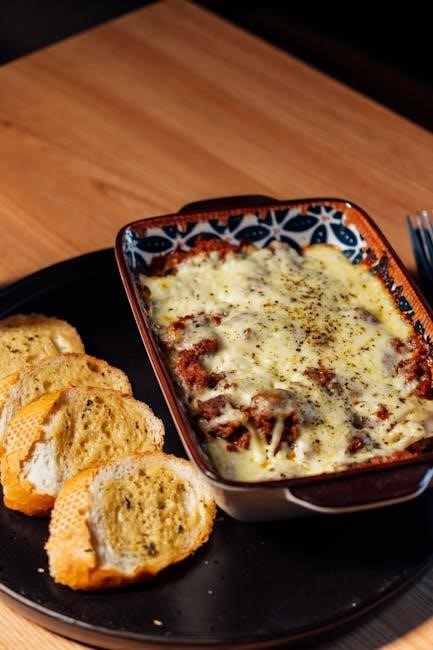
Understanding specific package instructions is crucial for optimal results, as variations exist between brands regarding temperature and baking duration․
What is Oven-Ready Lasagna?
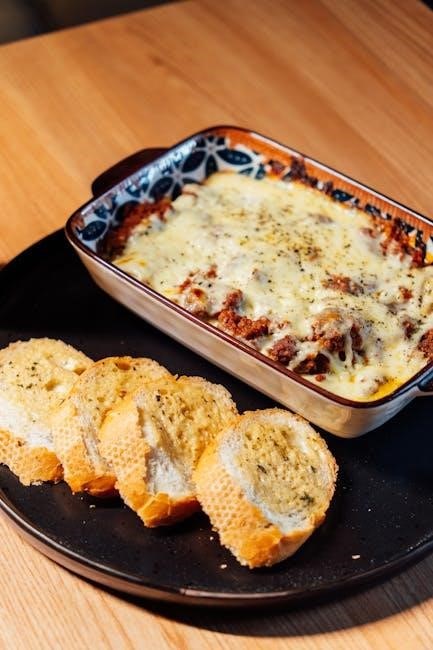
Oven-ready lasagna represents a significant convenience in modern cooking, designed to deliver a classic Italian dish with minimal effort․ Unlike traditional lasagna, which requires layering ingredients – noodles, sauce, cheese, and fillings – oven-ready versions come pre-assembled, typically in a foil or baking pan․
These lasagnas are created by food manufacturers, streamlining the preparation process for consumers․ They contain all the essential components of a lasagna, including pasta sheets, a flavorful sauce (often tomato-based with meat or vegetables), ricotta or other cheeses, and seasonings․ The key benefit is the elimination of the time-consuming layering step․
Essentially, oven-ready lasagna is a complete meal solution that goes directly from the refrigerator or freezer to the oven․ This makes it an ideal choice for weeknight dinners, busy families, or anyone seeking a hassle-free way to enjoy a comforting and satisfying meal․ Different brands offer variations, including vegetarian options and those with premium ingredients, but the core concept remains the same: convenience and ease of preparation․

Key Components of Oven-Ready Lasagna
Oven-ready lasagnas, while convenient, are built upon fundamental Italian culinary elements․ The foundation is, of course, the pasta sheets – typically made from durum wheat semolina, though some brands utilize no-boil varieties for added convenience․ These sheets provide the structural layers of the dish․
Next is the sauce, most commonly a tomato-based ragu, often incorporating ground beef, Italian sausage, or vegetables․ This sauce infuses the lasagna with its signature flavor․ Cheese is another critical component, with ricotta being a staple, often combined with mozzarella, parmesan, and provolone for a rich and gooey texture․
Finally, the filling adds depth and complexity․ This can include seasoned meats, spinach, mushrooms, or a combination thereof․ Some lasagnas also incorporate béchamel sauce, a creamy white sauce, for added richness․ The quality and proportion of these components significantly impact the final taste and texture of the oven-ready lasagna, varying between brands and recipes․
Checking the Package Instructions
Prior to baking, meticulously reviewing the package instructions is paramount for successful oven-ready lasagna preparation․ These instructions are brand-specific and dictate crucial details like oven temperature, baking time, and whether covering the lasagna is recommended․ Ignoring these guidelines can lead to undercooked, overcooked, or otherwise unsatisfactory results․
Pay close attention to any specific instructions regarding the baking dish – some lasagnas are designed for specific sizes or materials․ Note if the lasagna needs to be thawed beforehand, though most oven-ready varieties are designed to be baked from frozen․
Furthermore, the instructions will often detail whether removing the plastic wrap or tray is necessary before baking․ Ingredient lists and nutritional information are also found here, useful for those with dietary restrictions or concerns․ Always prioritize the manufacturer’s recommendations for the best outcome․
Preheating the Oven: Essential First Step
Preheating the oven is a non-negotiable step when preparing oven-ready lasagna․ It ensures even cooking and proper texture development․ A cold oven will result in unevenly heated lasagna – potentially frozen in the center and overcooked on the edges․ Allow sufficient time for the oven to reach the temperature specified on the lasagna’s packaging, typically around 375°F (190°C), but always confirm․
Using an oven thermometer is highly recommended to verify the oven’s accuracy, as many ovens deviate from their set temperature․ Consistent heat is vital for melting the cheese properly and ensuring the internal ingredients reach a safe temperature․

Electric ovens and gas ovens may preheat at different rates; gas ovens often reach temperature faster․ Patience is key – do not place the lasagna in the oven until it has fully preheated․ This foundational step sets the stage for a perfectly baked, delicious meal․
Oven Temperature Guidelines
Oven temperature is paramount for successful oven-ready lasagna baking․ Most brands recommend a baking temperature between 350°F (175°C) and 400°F (200°C)․ However, always defer to the specific instructions printed on the lasagna’s packaging․ Variations in ingredient ratios and lasagna thickness necessitate differing temperatures․
Lower temperatures (350°F/175°C) generally promote more even heating, reducing the risk of burning the top before the center is fully cooked․ Higher temperatures (400°F/200°C) can result in a crispier exterior but require closer monitoring․
Gas versus electric ovens can also influence temperature accuracy․ Gas ovens may have temperature fluctuations, while electric ovens tend to maintain a more consistent heat․ Using an oven thermometer is crucial for verifying the actual oven temperature, regardless of the oven type․ Consistent temperature ensures optimal melting of cheese and thorough heating of all layers․
Baking Dish Considerations
Selecting the appropriate baking dish is vital when preparing oven-ready lasagna․ Most manufacturers recommend using a 9×13 inch (23×33 cm) baking dish, though some lasagnas may fit slightly smaller or larger pans – again, check the packaging! The dish’s material impacts heating; glass distributes heat evenly, while metal heats up faster but can cause edges to brown quicker․
Avoid using disposable aluminum pans unless specifically indicated on the packaging, as they may not provide sufficient structural support or heat distribution․ Greasing the dish isn’t usually necessary with oven-ready lasagnas, as they contain sufficient fat, but a light spray can aid in easier serving․
Ensure the dish is oven-safe up to the recommended baking temperature․ A dish with high sides helps prevent spillage during bubbling․ Placing the lasagna directly on the oven rack promotes even cooking, but a baking sheet underneath can catch any potential drips for easier cleanup․
Removing the Lasagna from Packaging
Carefully removing the lasagna from its packaging is a crucial step․ Most oven-ready lasagnas are encased in a plastic tray or wrapped tightly in plastic film․ Begin by cutting along the designated opening indicated on the packaging, avoiding cutting into the lasagna itself․ Gently peel back the plastic, taking care not to disturb the layered structure․
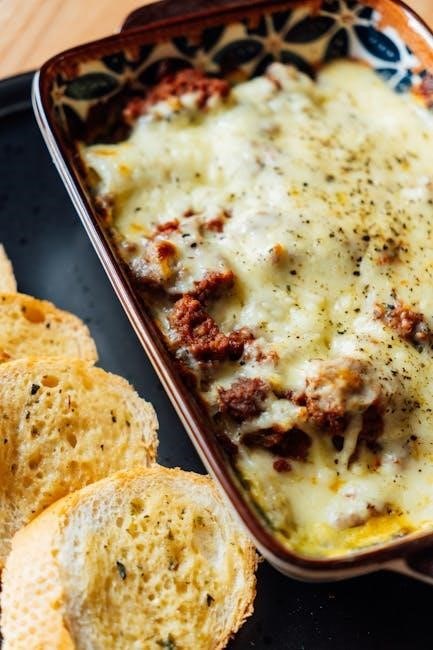
Some brands utilize a peel-off seal; others require lifting the entire tray․ If a tray is present, it’s generally oven-safe and can remain during baking, though checking the packaging is essential․ Discard all plastic wrap and any desiccant packets included to maintain freshness․ Inspect the lasagna for any damage during transit․
Avoid attempting to separate the layers at this stage․ Handle the lasagna gently to prevent it from falling apart․ If the lasagna seems stuck to the packaging, carefully run a knife along the edges to loosen it before lifting․
Covering the Lasagna During Baking
Covering the lasagna during the initial baking phase is often recommended to retain moisture and ensure even heating․ Typically, aluminum foil is used for this purpose․ Gently place the foil over the baking dish, ensuring it completely seals the edges to trap steam․ This prevents the top layer from becoming overly browned or dry before the center is heated through․
The duration of covering varies depending on the specific lasagna and oven․ Generally, covering for the first 30-45 minutes of baking is sufficient․ After this period, remove the foil to allow the cheese to melt and brown beautifully․ Some recipes suggest leaving a small vent in the foil to release some steam, preventing a soggy lasagna․
Always use oven-safe foil and avoid letting it touch the top layer of cheese, as it can stick․ If the lasagna begins to brown too quickly even with the foil, lower the oven temperature slightly․
Baking Time: A General Guide
Baking time for oven-ready lasagna varies significantly based on brand, oven type, and whether the lasagna is frozen or refrigerated․ However, a general guideline can be provided․ Most oven-ready lasagnas require approximately 45-60 minutes of baking time when starting from a refrigerated state․ If baking from frozen, expect an extended baking time, typically ranging from 60 to 90 minutes, or even longer․
Always consult the package instructions for the most accurate baking time․ These instructions are tailored to the specific product and will yield the best results․ It’s crucial to remember that these times are estimates; checking for doneness (described later) is essential․
Preheating the oven correctly is vital for accurate baking times․ An underheated oven will prolong the cooking process, potentially leading to uneven heating․ Monitor the lasagna closely during the final 15-20 minutes to prevent overbaking․
Checking for Doneness: Visual Cues
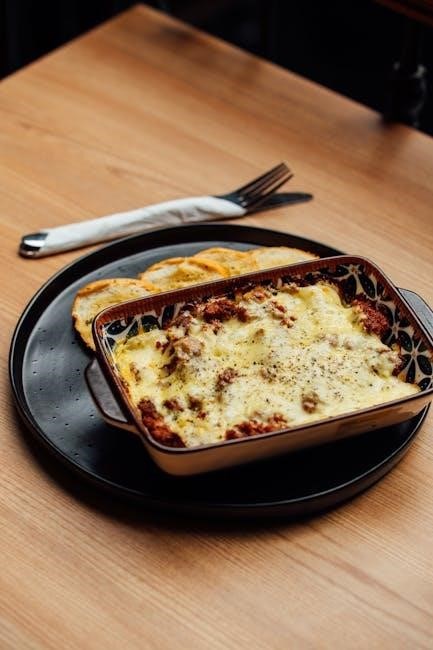
Visual cues are your first indication that the oven-ready lasagna is nearing completion․ Look for a bubbly, golden-brown cheese topping – this signifies the cheese is melted and beginning to caramelize․ The edges of the lasagna should be slightly pulling away from the baking dish, indicating the filling has set․
Carefully observe the sauce; it should be bubbling around the edges, but not excessively overflowing․ A slight bubbling is desirable, but a violent boil suggests potential burning․ If the top is browning too quickly, cover loosely with aluminum foil during the final baking stages․
Insert a knife or spatula along the side of the lasagna; if it slides in relatively easily, the lasagna is likely cooked through․ However, visual cues alone aren’t always definitive; an internal temperature check (described in the next section) is highly recommended for confirmation․
Internal Temperature Check (Recommended)
Confirming doneness with an internal temperature check is the most reliable method․ Use a food thermometer inserted into the center of the lasagna, avoiding contact with the baking dish․ The lasagna is safely cooked when it reaches an internal temperature of 165°F (74°C)․
Insert the thermometer through the top, reaching the deepest layer of filling․ Check in multiple spots to ensure even heating throughout․ If the temperature hasn’t reached 165°F, continue baking for an additional 5-10 minutes and recheck․
Remember that carryover cooking will continue even after removing the lasagna from the oven, so it’s better to err on the side of slightly undercooked and allow it to finish during the resting time․ A properly heated lasagna ensures both food safety and optimal texture, preventing a soggy or undercooked result․
Resting Time: Why It’s Important
Allowing the lasagna to rest after baking is a crucial, often overlooked, step․ A resting period of 10-15 minutes allows the lasagna to set, making it easier to slice and serve neatly․ Without resting, the layers will likely shift and the lasagna may fall apart․
During resting, the internal temperature continues to equalize, ensuring thorough cooking, especially in thicker lasagnas․ This carryover cooking also helps the cheese to melt and blend flavors more harmoniously․ The sauce thickens slightly, preventing a watery consistency when cut․
Cover the lasagna loosely with foil during the resting period to retain some heat․ This prevents it from cooling down too quickly․ Patience during this phase significantly improves the overall presentation and enjoyment of your oven-ready lasagna, resulting in a more satisfying dining experience․
Serving Suggestions
Oven-ready lasagna is a complete meal in itself, but thoughtful side dishes can elevate the dining experience․ A simple garden salad with a light vinaigrette provides a refreshing contrast to the richness of the lasagna․ Garlic bread, either homemade or store-bought, is a classic accompaniment, perfect for soaking up the flavorful sauce․

For a more substantial meal, consider roasted vegetables like broccoli, asparagus, or Brussels sprouts․ A side of steamed green beans also complements the lasagna well․ A glass of Italian red wine, such as Chianti or Merlot, pairs beautifully with the flavors․
Garnish the lasagna with freshly chopped parsley or basil for a pop of color and added freshness․ A sprinkle of Parmesan cheese is always welcome․ Don’t forget a selection of desserts like tiramisu or cannoli to complete the Italian feast!
Common Mistakes to Avoid
Ignoring package instructions is a frequent error when preparing oven-ready lasagna․ Each brand may have unique temperature and time requirements, so careful reading is essential․ Failing to preheat the oven can lead to uneven cooking and a longer baking time․ Not using a baking dish, or using one that’s too small, can cause overflow and a messy cleanup․
Removing the plastic wrap prematurely results in a dry, unappetizing lasagna․ Overbaking leads to a burnt top and dry interior, while underbaking leaves the center cold and potentially unsafe․ Skipping the resting period prevents the lasagna from setting properly, making it difficult to slice and serve․
Forgetting to check for doneness using visual cues or a thermometer can result in an improperly cooked dish․ Avoid adding extra ingredients before baking, as this can disrupt the pre-balanced flavors․ Always prioritize food safety by ensuring the lasagna reaches a safe internal temperature․
Troubleshooting: Lasagna is Dry
If your oven-ready lasagna emerges dry, several factors could be at play․ Overbaking is a primary culprit; reduce baking time in future attempts․ Insufficient covering during baking allows excessive moisture to escape – ensure the lasagna is tightly sealed with foil for the majority of the cooking process․
Oven temperature inaccuracies can also contribute․ Verify your oven’s calibration with a separate thermometer․ Not enough sauce within the lasagna itself is another common issue; some brands may require a small addition of sauce before baking․
Prolonged resting time after baking, while generally beneficial, can exacerbate dryness if the lasagna wasn’t sufficiently moist initially․ Consider adding a tablespoon or two of water or sauce to the bottom of the baking dish before covering․ Finally, ensure the lasagna wasn’t already partially frozen when it entered the oven, as this extends cooking time and increases dryness risk․
Troubleshooting: Lasagna is Still Frozen
Discovering your oven-ready lasagna is still frozen after the recommended baking time is frustrating, but easily addressed․ The most common cause is a starting temperature that’s too low․ Ensure the lasagna is fully thawed, or significantly closer to room temperature, before placing it in the oven․ While “oven-ready” implies no thawing, some brands benefit from partial thawing․
Incorrect oven temperature settings are another frequent issue․ Double-check that your oven is set to the temperature specified on the package․ Insufficient baking time is also a possibility; extend the baking time in 15-minute increments, checking for doneness after each addition․
Oven type variations (electric vs․ gas) can impact cooking times․ Gas ovens often require slightly longer baking durations․ Finally, ensure the lasagna isn’t positioned in a cold spot within the oven․ Rotate the dish halfway through baking for even heating․
Variations in Oven-Ready Lasagna Brands
Oven-ready lasagna offerings vary significantly between brands, impacting preparation and results․ Ingredient quality differs, influencing taste and texture; some brands prioritize premium cheeses and meats, while others focus on affordability․ Layer construction also varies – some feature thicker noodle layers, while others have more sauce․ These differences affect baking times and overall consistency․
Package instructions are not standardized․ Some brands require covering the lasagna with foil for the initial baking period, while others advise against it․ Recommended oven temperatures can also fluctuate, ranging from 350°F to 400°F․ Lasagna weight is another key factor; larger lasagnas naturally require longer baking times;
Sodium content and portion sizes differ considerably․ Always review the nutritional information before purchasing․ Experimenting with different brands allows you to discover your preferred flavor profile and baking method․
Understanding Ingredient Lists
Oven-ready lasagna ingredient lists often contain a blend of pre-cooked components and preservatives․ Pasta sheets are typically enriched wheat flour-based, sometimes containing egg․ Sauce commonly includes tomato puree, seasonings, and added sugars․ Cheese blends often feature ricotta, mozzarella, and parmesan, alongside stabilizers․ Meat fillings, if present, may include beef, pork, or chicken, often pre-cooked and seasoned․
Pay attention to additives like modified food starch, which impacts texture, and sodium benzoate, a preservative․ Individuals with allergies should carefully review the list for common allergens like wheat, dairy, or soy․ Sodium content is often high, so consider this if monitoring salt intake․
Understanding these ingredients helps you assess the quality and nutritional value of the lasagna․ Recognizing processed components allows for informed choices and potential modifications, like adding fresh vegetables during baking․
Nutritional Information Overview
Oven-ready lasagna nutritional profiles vary significantly by brand and serving size․ Generally, a single serving (often around 1/3 of the lasagna) provides a substantial amount of calories, typically ranging from 300 to 600; Fat content is often high, including saturated fat from cheese and meat, contributing to daily intake limits․
Sodium levels are frequently elevated due to processing and seasoning, potentially exceeding recommended daily allowances․ Carbohydrate content is considerable, primarily from pasta and tomato sauce, impacting blood sugar levels․ Protein is present, sourced from cheese and meat, contributing to satiety․
Fiber content tends to be relatively low․ Examining the nutrition facts label is crucial for making informed dietary choices․ Consider portion control and pairing with a side salad to balance the meal․ Individuals monitoring specific nutrients should carefully assess the label․
Storage of Leftover Lasagna
Proper storage of leftover oven-ready lasagna is essential for maintaining food safety and quality․ Allow the lasagna to cool to room temperature – approximately two hours – before storing․ Transfer leftover portions to an airtight container to prevent drying and absorption of odors․
Refrigeration is crucial; store the lasagna in the refrigerator for up to 3-4 days․ For longer storage, freezing is recommended․ Wrap individual portions tightly in plastic wrap, then place them in a freezer-safe container or bag․ Frozen lasagna can maintain quality for 2-3 months․
When thawing frozen lasagna, transfer it to the refrigerator overnight for safe and even thawing․ Avoid thawing at room temperature․ Always reheat lasagna thoroughly to an internal temperature of 165°F (74°C) to eliminate potential bacterial growth․ Labeling containers with the date of storage is helpful for tracking freshness․
Reheating Oven-Ready Lasagna
Reheating oven-ready lasagna properly ensures it’s both safe and delicious․ The preferred method is in the oven, maintaining moisture and texture․ Preheat your oven to 350°F (175°C)․ Cover the lasagna with aluminum foil to prevent excessive browning and drying․
Bake for approximately 20-25 minutes, or until heated through․ Remove the foil during the last 5-10 minutes for a slightly crispy top․ Alternatively, individual portions can be reheated in the microwave, though this may result in a softer texture․ Use a microwave-safe dish and cover loosely․
Microwave on medium power for 2-3 minutes, checking for even heating․ Ensure the internal temperature reaches 165°F (74°C)․ Avoid overheating, as this can make the lasagna dry․ Adding a splash of water or sauce before reheating can help retain moisture․ Always use a food thermometer to confirm a safe internal temperature․
Lasagna and Food Safety
Food safety is paramount when handling and consuming oven-ready lasagna․ Always check the “use-by” or “best-before” date on the packaging and discard if expired․ Proper storage is crucial; refrigerate leftovers promptly – within two hours – in airtight containers․
Ensure the lasagna reaches an internal temperature of 165°F (74°C) during both initial baking and reheating to eliminate potential bacterial growth․ Use a food thermometer to verify this temperature in the thickest part of the lasagna․ Avoid cross-contamination by using separate cutting boards and utensils for raw and cooked foods․
Thorough cooking is essential, especially if the lasagna was previously frozen․ Never partially cook and then re-freeze․ Be mindful of potential allergens listed on the ingredient label․ If you notice any unusual odor, discoloration, or mold, discard the lasagna immediately․ Following these guidelines minimizes the risk of foodborne illness․
Oven Types and Lasagna Baking (Electric vs․ Gas)
Electric and gas ovens differ in how they generate heat, impacting lasagna baking․ Electric ovens generally provide more consistent and even heating, potentially leading to more uniform cooking; Gas ovens, however, heat up faster and can offer more responsive temperature control․
When using a gas oven, ensure proper ventilation and be aware that temperature fluctuations can occur․ Electric ovens may require slightly longer preheating times․ Regardless of the oven type, accurate temperature calibration is vital for optimal results․ Using an oven thermometer can help verify the internal temperature․
For oven-ready lasagna, follow package instructions, adjusting baking time slightly if needed based on your oven’s performance․ Monitor the lasagna closely, especially during the final stages of baking, to prevent over-browning or drying out․ Both oven types can successfully bake lasagna with careful attention․
Lasagna vs․ Other Oven-Baked Dishes
Lasagna, a layered pasta dish, presents unique baking challenges compared to simpler oven-baked items like casseroles or roasted vegetables․ Its depth and multiple components—pasta, sauce, cheese, and fillings—require longer baking times to ensure thorough heating and melting․
Unlike dishes with uniform textures, lasagna’s layers necessitate even heat distribution to prevent a soggy bottom or dry top․ Oven-ready lasagna simplifies this, but still demands attention․ Casseroles often bake faster due to their shallower depth and simpler composition․
Roasted items, like chicken or potatoes, benefit from direct heat exposure for crisping, while lasagna requires more gentle, encompassing heat․ Monitoring internal temperature is crucial for lasagna, more so than for many other baked dishes․ Proper covering during baking, as per instructions, helps retain moisture, a key difference from dishes intended to be crispy․