eemax tankless water heater manual
Eemax Tankless Water Heater Manual: A Comprehensive Guide
This manual provides detailed instructions for Eemax tankless water heaters, covering installation, operation, troubleshooting, and maintenance. It supports models like LavAdvantage,
and includes information on electrical connections, plumbing, and Wi-Fi features.
Understanding Eemax Tankless Water Heaters
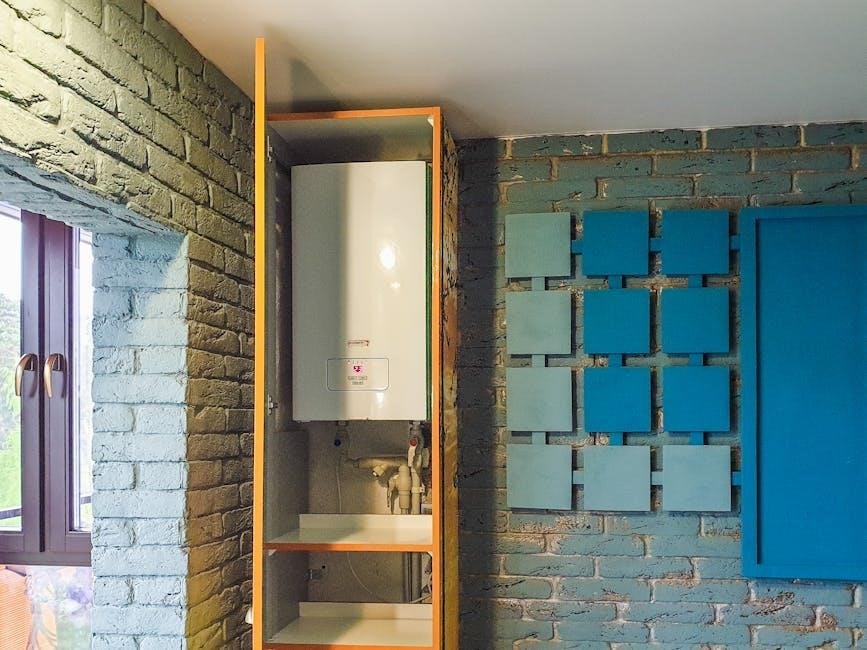
Eemax tankless water heaters offer on-demand hot water, eliminating the standby heat loss associated with traditional tank systems. Unlike storage tank heaters that continuously heat water, Eemax units activate only when hot water is needed, resulting in significant energy savings and reduced operating costs. These electric instantaneous water heaters are designed for both residential and commercial applications, providing a consistent and reliable hot water supply.

Understanding the core principles of tankless technology is crucial for optimal performance. Eemax utilizes high-powered heating elements to rapidly heat water as it flows through the unit. This eliminates the need for a large storage tank, making them ideal for space-saving installations; Key benefits include endless hot water, precise temperature control, and a longer lifespan compared to conventional water heaters. Familiarizing yourself with the specific features of your Eemax model, as detailed in this manual, will ensure efficient and trouble-free operation.
Eemax heaters, including the LavAdvantage series, are known for their compact design and ease of installation. However, proper installation and adherence to safety guidelines are paramount for safe and effective operation.
Eemax Product Lines: LavAdvantage & More
Eemax offers a diverse range of tankless water heating solutions catering to various needs. The LavAdvantage series is a popular choice for residential applications, known for its compact size and efficient performance. These units are specifically designed for point-of-use applications like handwashing stations and showers, delivering instant hot water where it’s needed most.
Beyond LavAdvantage, Eemax provides commercial-grade tankless heaters suitable for high-demand environments. These models, often found in restaurants, gyms, and healthcare facilities, deliver consistent hot water for multiple fixtures simultaneously. The Raytherm line represents another offering, focusing on robust performance and durability for demanding applications.
Furthermore, Eemax continually innovates, integrating smart features like Wi-Fi connectivity into select models. This allows for remote monitoring and control, enhancing convenience and energy management. Understanding the specific capabilities of each product line, as outlined in their respective manuals, is essential for selecting the optimal solution for your hot water requirements.
Installation Requirements & Considerations
Proper installation is crucial for the safe and efficient operation of your Eemax tankless water heater. Electrical requirements are paramount; ensure the dedicated circuit breaker amperage matches the heater’s specifications, avoiding potential hazards. Plumbing connections necessitate appropriate pipe sizing and materials, compatible with the unit’s inlet and outlet fittings.
Ventilation is generally not a concern with electric tankless heaters, unlike gas models, simplifying installation. However, adequate space around the unit is vital for maintenance and airflow. Consider the water quality in your area; hard water may require a scale inhibitor to prevent mineral buildup and maintain performance.
Always adhere to local plumbing and electrical codes during installation. Professional installation is highly recommended, especially for those unfamiliar with electrical and plumbing work. Carefully review the installation manual for your specific Eemax model, paying close attention to safety warnings and recommended procedures. Ignoring these guidelines can void the warranty and create unsafe conditions.
Electrical Connections & Circuit Breaker Sizing
Eemax tankless water heaters require dedicated electrical circuits to function safely and effectively; Circuit breaker sizing is critical; undersized breakers will trip frequently, while oversized ones pose a fire risk. Refer to the unit’s specifications plate for the exact amperage and voltage requirements. Typically, these heaters demand significant power, often necessitating multiple breakers.
Wiring must comply with local electrical codes and be of the appropriate gauge for the amperage draw. Use only copper conductors and ensure all connections are secure. A qualified electrician should perform all electrical work to guarantee safety and code compliance. Improper wiring can lead to equipment damage, electrical shock, or fire.
Consider the total electrical load on the circuit to avoid overloading. Grounding is essential for safety; ensure the unit is properly grounded according to local regulations. Always disconnect power at the main breaker before working on any electrical connections.
Plumbing Connections: Inlet & Outlet
Proper plumbing connections are vital for the efficient operation of your Eemax tankless water heater. Both the inlet (cold water supply) and outlet (hot water delivery) require careful attention. Use appropriate pipe materials – typically copper or PEX – and ensure all connections are watertight to prevent leaks.
Install shut-off valves on both the inlet and outlet lines for easy maintenance and emergency shut-off. A sediment filter on the inlet line is highly recommended to protect the heater from debris and prolong its lifespan. Ensure the piping is adequately supported to prevent stress on the connections.
The outlet pipe should be sized correctly to handle the maximum flow rate of the heater. Avoid sharp bends or restrictions in the piping, as these can reduce water flow and affect performance. Always flush the lines before connecting the heater to remove any residual debris from the plumbing system.
Water Flow Rate & Temperature Settings
Eemax tankless water heaters deliver on-demand hot water, and understanding water flow rate and temperature settings is crucial for optimal performance. Lower flow rates generally result in higher temperature rises, while higher flow rates lead to lower temperature increases. Adjusting the flow rate at the fixture (showerhead, faucet) directly impacts the output temperature.
Many Eemax models feature adjustable temperature settings, allowing you to customize the hot water to your preference. Start with a moderate temperature and gradually increase it until you reach a comfortable level. Be cautious of scalding – never exceed 120°F (49°C);
If you experience low or inconsistent temperature, check the flow rate and ensure it’s within the heater’s specified range. A restricted flow, like a partially closed outlet ball valve, can significantly affect performance. Refer to your model’s specifications for recommended flow rates and temperature ranges.

Initial Startup & Flushing Procedure
Before operating your Eemax tankless water heater for the first time, a thorough flushing procedure is essential to remove any debris or manufacturing residue from the internal components. Begin by ensuring both the inlet and outlet plumbing connections are open. Slowly introduce water into the unit, allowing it to fill completely.
Once filled, operate the heater for several minutes, allowing water to flow continuously. This will flush out any remaining particles. Inspect the outgoing water for any discoloration or debris; continue flushing until the water runs clear. It’s recommended to install a sediment filter on the inlet side to prevent future buildup.
During the initial startup, monitor for leaks at all connections. Proper flushing extends the lifespan of your heater and ensures optimal performance. Refer to your specific model’s manual for detailed instructions and recommended flushing duration.
Operating Instructions & Display Panel

The Eemax tankless water heater operates on demand, activating only when hot water is needed. To initiate operation, simply turn on a hot water tap connected to the heater. The unit will automatically sense the water flow and begin heating. The display panel provides crucial information regarding the heater’s status.
Common indicators include power status, heating indicator (illuminates when actively heating), and error codes (if any issues arise). Some models feature temperature settings, allowing you to adjust the desired water temperature. Use the control buttons on the panel to navigate the settings and make adjustments.
Familiarize yourself with the display panel’s symbols and their meanings as outlined in the manual. Regular monitoring of the display can help identify potential problems early on, ensuring efficient and reliable operation.
Wi-Fi Connectivity & Smart Features
Certain Eemax tankless water heater models offer Wi-Fi connectivity, enabling remote monitoring and control via a smartphone or tablet. This feature allows users to adjust temperature settings, monitor energy consumption, and receive alerts regarding potential issues—all from a convenient mobile app.
To establish a Wi-Fi connection, follow the instructions provided in the manual, typically involving downloading the Eemax app and connecting the heater to your home network. Once connected, you can access a range of smart features, including scheduling, which allows you to pre-set heating times for optimal efficiency.
Remote diagnostics are also possible, potentially enabling technicians to troubleshoot issues remotely. The app often displays error codes and provides guidance for resolving common problems. Utilizing these smart features enhances convenience and optimizes performance.
Troubleshooting: No Heat Issues
If your Eemax tankless water heater isn’t producing heat, several factors could be at play. First, verify the unit is receiving power; check the circuit breaker hasn’t tripped. Confirm the water flow is adequate – too high a flow rate can prevent the heater from reaching operating temperature. Slowly close the outlet ball valve to reduce flow.
Inspect for error codes displayed on the unit’s panel, referencing the manual for their specific meanings. A lack of incoming water can also cause this issue; ensure the inlet valve is fully open. If the indicator light is on, but no heat is produced, it suggests the unit is attempting to operate but failing.
Manual test mode, accessible through the control panel, can aid in diagnosing the problem, reducing reliance on external tools. If issues persist, consult a qualified technician for assistance, as internal component failure may be present.
Troubleshooting: Low or Inconsistent Temperature
Experiencing low or inconsistent water temperature with your Eemax unit? Begin by checking the incoming water temperature – colder inlet water directly impacts output. Verify the unit isn’t overloaded; running multiple hot water appliances simultaneously can strain capacity. Ensure the flow rate isn’t excessively high, as this prevents adequate heating.
Inspect the temperature settings on the control panel, confirming they are set to your desired level. Scale buildup within the heat exchanger is a common cause; a flushing procedure (detailed in the maintenance section) may be necessary. If the indicator light is illuminated, but temperature remains low, an internal component issue could exist.
Utilize the manual test mode for diagnostics. If problems continue, a technician should inspect for element burnout or other internal failures. Remember to consult the error code list for specific guidance.
Troubleshooting: Error Codes & Meanings
Eemax tankless water heaters utilize error codes to pinpoint potential issues. Understanding these codes is crucial for efficient troubleshooting. A flashing error code on the display panel indicates a specific problem requiring attention. Common codes include those related to water flow, temperature sensor malfunctions, or electrical connectivity problems.
Consult the detailed error code table within this manual (or on the Eemax website) for a comprehensive list and corresponding solutions. For example, a code indicating low flow might suggest a clogged inlet filter, while a temperature sensor error necessitates professional inspection. Some codes may require power cycling the unit.

Self-diagnostics can help interpret these codes, but always prioritize safety. If you are uncomfortable addressing the issue, contact a qualified technician. Ignoring error codes can lead to further damage or unsafe operating conditions.
Maintenance & Cleaning Procedures
Regular maintenance extends the lifespan of your Eemax tankless water heater and ensures optimal performance. Periodic flushing is essential to remove mineral buildup, particularly in areas with hard water. This prevents scaling that can reduce efficiency and potentially damage the heating element. Flushing should be performed at least annually, or more frequently depending on water hardness.
Inspect the inlet filter regularly for sediment and debris, cleaning or replacing it as needed. Check plumbing connections for leaks and ensure proper insulation. Avoid using abrasive cleaners on the unit’s exterior; a mild detergent and soft cloth are sufficient.
Element burnout can sometimes be prevented with diligent maintenance. Always follow the recommended flushing procedures and address any error codes promptly. Professional inspection is recommended every few years to assess overall system health.
Element Burnout & Replacement
Element burnout in an Eemax tankless water heater is often signaled by a “no heat” condition despite power being supplied. Mineral buildup from hard water is a primary cause, creating insulation and hotspots leading to failure. Consistent preventative maintenance, like regular flushing, significantly reduces this risk.
Replacing the heating element is a task best left to qualified technicians due to the high voltage involved. Always disconnect power at the circuit breaker before attempting any repairs. The process involves removing the access panel, disconnecting the wiring, and carefully extracting the old element.
Ensure the replacement element is the correct model for your Eemax unit. Proper installation and testing are crucial for safe and efficient operation. Ignoring the issue or attempting a DIY repair without expertise can lead to further damage or safety hazards.
Self-Diagnostics & Manual Test Mode
Eemax tankless water heaters incorporate self-diagnostic capabilities, displaying error codes to pinpoint potential issues. These codes, detailed in the manual, assist technicians in efficient troubleshooting, reducing diagnostic time and costs. The system continuously monitors key parameters like water flow, temperature, and voltage.
Manual test mode provides a deeper level of diagnostic control. Accessed through a specific button sequence (refer to your model’s manual), it allows technicians to cycle the heating element, verify sensor functionality, and simulate various operating conditions. This mode minimizes the need for external testing tools.
Utilizing manual test mode requires a thorough understanding of the heater’s operation. Incorrect usage could potentially damage the unit. It’s primarily intended for qualified service personnel to confirm component functionality and validate repairs. Always prioritize safety and consult the manual before initiating any tests.
Warranty Information & Limitations
Eemax tankless water heaters are covered by a limited warranty, protecting against defects in materials and workmanship. The standard warranty period varies depending on the specific model and components, typically ranging from one to five years. Registration of the product within a specified timeframe is often required to validate the full warranty coverage.
Limitations apply to the warranty, excluding damage resulting from improper installation, misuse, neglect, or unauthorized modifications. Consumable parts, such as the heating element, may have a shorter warranty period or be excluded altogether. Damage caused by scale buildup or water quality issues is also generally not covered.
To make a warranty claim, consumers must provide proof of purchase and a detailed description of the defect. Eemax will, at its discretion, repair or replace the defective component. Labor costs associated with warranty repairs may not be covered. Review the complete warranty document for specific terms and conditions.
Parts & Accessories Availability
Eemax ensures a reasonable level of parts availability to support the longevity of their tankless water heaters. Common replacement parts, such as heating elements, flow sensors, and circuit boards, are typically stocked for several years after a model is discontinued. However, availability can vary depending on the specific component and model.
Authorized Eemax distributors and service centers are the primary sources for genuine replacement parts. Online retailers specializing in plumbing and heating supplies may also carry a selection of Eemax parts. It’s crucial to verify the part number and compatibility before ordering to ensure a proper fit.
Accessories, like remote controls for certain models and installation kits, are also available through authorized channels. When sourcing parts, prioritize genuine Eemax components to maintain performance and warranty validity. Using non-approved parts may void the warranty and potentially damage the unit.
Safety Precautions & Warnings
Important Safety Instructions: Installation and maintenance must be performed by qualified personnel adhering to local codes. Always disconnect electrical power at the circuit breaker before servicing. Incorrect wiring or gas supply connections can create hazards.
Risk of Electric Shock: These heaters operate at high voltage. Never open the unit while energized. Ensure proper grounding to prevent electrical shock. Do not operate if the unit shows signs of damage.
Scalding Hazard: Water temperatures can reach scalding levels. Set temperature controls to a safe level, especially for households with children or elderly individuals. Install mixing valves to regulate outlet temperature.
Combustible Materials: Maintain adequate clearance around the unit from combustible materials. Do not store flammable liquids or gases nearby. Follow all manufacturer’s instructions regarding ventilation and clearances.
Warning: Failure to follow these safety precautions could result in serious injury, property damage, or void the warranty.