
testament of moses pdf
The Testament of Moses: A Comprehensive Overview
Accessing the Testament of Moses in PDF format requires careful consideration of source reliability and copyright laws, as numerous online versions exist.
Historical Context and Origins
Tracing the origins of the Testament of Moses is complex, as it doesn’t feature within the canonical biblical texts recognized by most Jewish and Christian denominations. Its roots lie within the realm of ancient Jewish literature, specifically apocryphal or pseudepigraphal writings – texts considered outside the standard scriptural boundaries. The document likely emerged during a period of significant socio-religious upheaval, potentially between the 3rd century BCE and the 2nd century CE.
Scholars suggest the text arose from a milieu grappling with Hellenistic influences and internal Jewish sectarianism. The PDF versions circulating today represent later transcriptions and translations of fragmented manuscripts discovered over time. Understanding its historical context is crucial when interpreting the text, as it reflects the concerns and beliefs of its original authors and audience, offering insights into the diverse religious landscape of the Second Temple period. The availability of PDF copies facilitates wider study, but necessitates critical evaluation of their source and accuracy.

The Testament of Moses as Apocryphal Literature
The Testament of Moses firmly resides within the category of apocryphal literature – writings considered valuable by some, but not formally included in the biblical canon by mainstream Jewish or Protestant Christian traditions. These texts, often found in PDF format today, offer alternative perspectives and expansions upon biblical narratives. Its apocryphal status doesn’t diminish its historical or theological significance, but rather highlights its unique position as a witness to diverse religious thought.
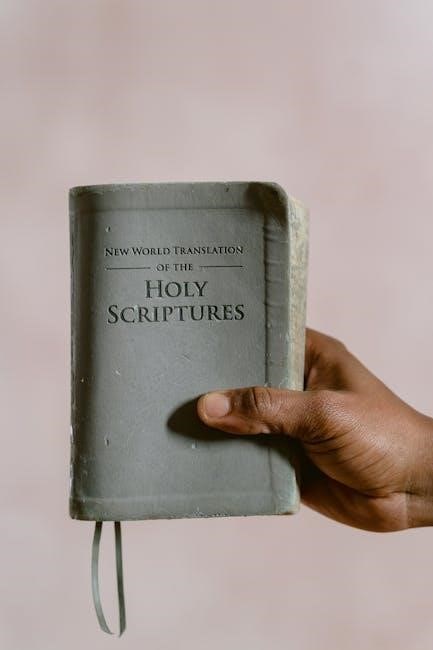
Unlike canonical books, the Testament of Moses wasn’t universally accepted as divinely inspired. However, it circulated within certain Jewish and early Christian communities, influencing later traditions. Accessing it via PDF allows modern scholars and enthusiasts to explore these alternative viewpoints. The text’s inclusion in collections like the Pseudepigrapha underscores its importance for understanding the broader spectrum of ancient Jewish beliefs and its potential impact on the development of religious ideas. Careful consideration of its apocryphal nature is vital when interpreting its content.

Dating and Authorship
Determining the precise dating and authorship of the Testament of Moses remains a complex scholarly challenge. Most scholars suggest a composition period within the late Second Temple period, likely between the 3rd century BCE and the 1st century CE. The text’s language and themes align with this timeframe, reflecting Hellenistic influences and concerns prevalent during that era. Accessing the text in PDF format doesn’t resolve these questions, but facilitates comparative analysis with other contemporaneous writings.
Attributing authorship to Moses himself is a pseudepigraphical convention – a common practice where texts were ascribed to revered figures to lend them authority. The actual author(s) remain unknown, but likely belonged to a Jewish community familiar with biblical traditions and engaged in theological reflection. Studying various PDF versions reveals textual variations that hint at potential editorial layers and evolving interpretations over time. Understanding the context of its creation is crucial for interpreting its message.
Textual Variants and Manuscripts
The Testament of Moses survives in a limited number of manuscripts, primarily Greek and Slavonic versions, contributing to significant textual variations. No original Hebrew or Aramaic text has been discovered. Accessing the work via PDF downloads often presents differing transcriptions based on these manuscript families. Examining these PDF versions highlights discrepancies in phrasing, content, and even entire sections.
Scholars meticulously compare these variants to reconstruct a plausible original text, a process complicated by translation issues and potential scribal errors. The Slavonic recension, for example, exhibits expansions and additions not found in the Greek texts. Digitized manuscripts available in PDF format allow researchers to directly compare these variations. Understanding these textual differences is vital for accurate interpretation and assessing the reliability of any given PDF rendition. The lack of a definitive source text necessitates careful critical analysis.
Content and Themes of the Testament of Moses
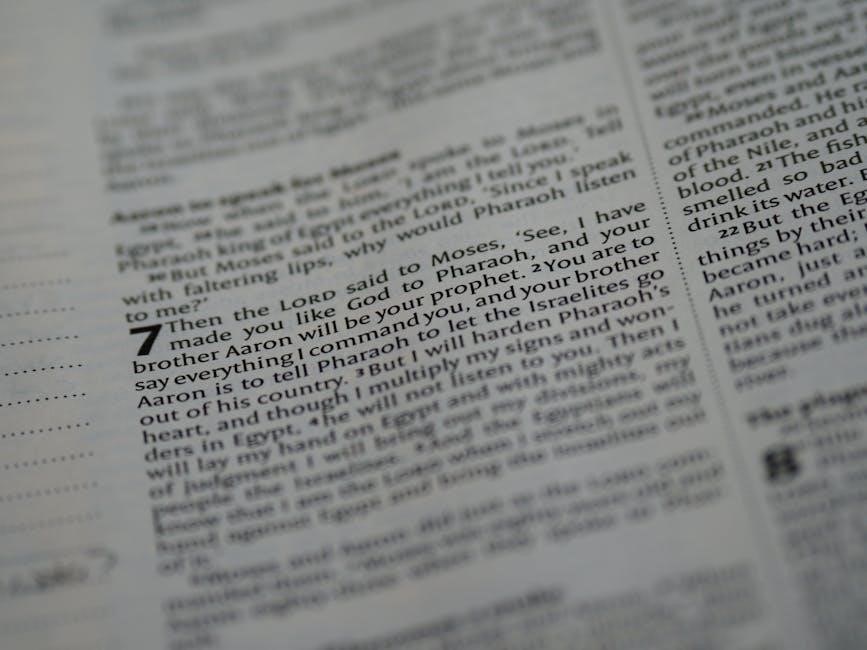
PDF versions reveal Moses’ final directives to Joshua, prophecies concerning Israel’s destiny, and stern warnings against idolatry—central themes within the text.
Moses’ Final Instructions to Joshua
Examining PDF renditions of the Testament of Moses reveals a significant portion dedicated to Moses’ detailed instructions for Joshua, his designated successor. These aren’t merely tactical military strategies, but encompass a comprehensive guide for spiritual leadership and maintaining covenant fidelity.
The text, as presented in available PDF formats, emphasizes the importance of unwavering devotion to God and strict adherence to the Law. Moses forewarns Joshua about the challenges he will face – the temptations of idolatry among the Israelites and the resistance from surrounding nations. He stresses the necessity of teaching the Law diligently to all, ensuring its preservation for future generations.
Furthermore, the PDF documents illustrate Moses’ instructions extend to the proper handling of the Tabernacle and the sacrificial system, underscoring the centrality of worship in Israelite life. He imparts wisdom regarding judicial matters and the importance of righteous judgment. These instructions, meticulously detailed within the PDF versions, aim to equip Joshua not just as a military commander, but as a spiritual guardian of Israel.

Predictions Regarding Israel’s Future
Digital PDF copies of the Testament of Moses showcase extensive prophetic visions concerning Israel’s destiny, detailing both blessings for obedience and dire consequences for disobedience. These predictions, central to the text’s narrative, aren’t presented as vague pronouncements but as specific scenarios linked to the nation’s choices.
The PDF versions reveal Moses foretells periods of prosperity and peace contingent upon unwavering faithfulness to God’s commandments. Conversely, he vividly describes impending exile, destruction, and suffering should Israel succumb to idolatry and moral decay. These prophecies, readily accessible in PDF format, serve as a stern warning and a call to repentance.
Notably, the PDF documents highlight predictions concerning the fate of the Temple in Jerusalem, foreshadowing its eventual destruction and the scattering of the Israelites among the nations. The text also alludes to a future restoration, hinting at a messianic figure who will redeem Israel. These prophetic elements, preserved in the PDF, contribute to the text’s enduring theological significance.
The Fate of the Tribes of Israel
Examining the Testament of Moses in PDF format reveals detailed prophecies concerning the individual destinies of each of the twelve tribes of Israel. These aren’t generalized blessings or curses, but specific forecasts tailored to each tribe’s anticipated character and actions.
The PDF versions delineate how certain tribes will flourish through adherence to divine law, achieving prominence and prosperity. Conversely, other tribes are predicted to suffer decline and hardship due to internal strife, moral failings, and rejection of God’s covenant. These predictions, readily available in digital PDFs, offer a complex and nuanced view of Israel’s future.
Interestingly, the PDF documents often link a tribe’s fate to its geographical location and specific role within the Israelite nation. The text details how certain tribes will become powerful warriors, while others will excel in priestly duties or agricultural pursuits. These detailed prophecies, preserved within the PDF, provide valuable insight into the text’s understanding of tribal identity and national destiny.
Warnings Against Idolatry and Disobedience

The Testament of Moses, accessible in numerous PDF versions online, prominently features stern warnings against the dangers of idolatry and disobedience to God’s commandments. These aren’t merely abstract theological pronouncements, but vivid depictions of the catastrophic consequences awaiting those who stray from the covenant.
PDF analyses reveal that the text emphasizes how the allure of foreign gods and practices will lead Israel into moral corruption, social disintegration, and ultimately, national ruin. The PDFs detail specific idols and rituals that are to be avoided, framing them as threats to Israel’s spiritual and physical well-being.
Furthermore, the Testament of Moses, as presented in PDF format, connects disobedience to a loss of divine protection and a vulnerability to enemies. The text underscores the importance of unwavering faith and adherence to the law as the sole path to security and prosperity, a message consistently reinforced throughout the available PDF copies.
The Testament of Moses PDF: Access and Availability
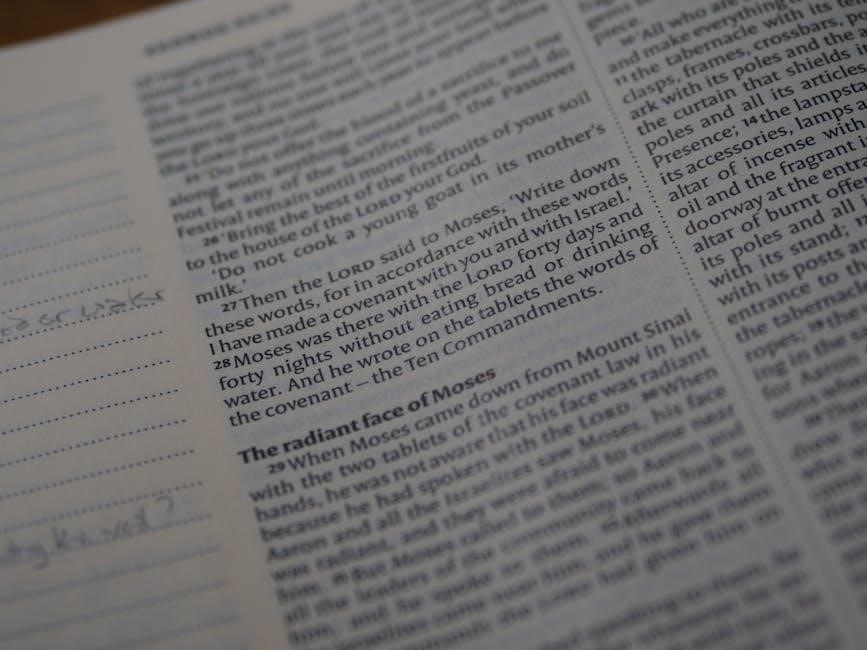
Numerous PDF versions of the Testament of Moses are available online, requiring users to assess source reliability and understand potential copyright restrictions.
Online Sources for the Testament of Moses PDF
Locating a Testament of Moses PDF involves navigating various online repositories. Several websites specialize in ancient texts and apocryphal literature, often providing downloadable PDFs. Internet Archive is a valuable resource, potentially hosting digitized versions of older translations. Project Gutenberg, while primarily focused on mainstream literature, might contain related texts or links to relevant resources.
Additionally, academic institutions and theological libraries sometimes offer digitized versions of ancient manuscripts, including the Testament of Moses, accessible through their online catalogs or digital collections. Be aware that the quality and completeness of these PDFs can vary significantly. Some may be scans of older, potentially damaged texts, while others are transcriptions from more reliable sources. Always verify the source and consider multiple versions when researching this ancient document. Careful evaluation is crucial for ensuring accuracy and authenticity when utilizing online PDFs.
Reliability and Authenticity of Online PDFs
Assessing the reliability of a Testament of Moses PDF is paramount. Many online sources lack rigorous academic oversight, potentially offering inaccurate transcriptions or translations. Prioritize PDFs originating from reputable institutions – universities, theological seminaries, or established research projects – as these are more likely to be vetted by experts.
Consider the source’s stated methodology. Does it detail the manuscript used for the translation? Is there information about the editor or translator’s qualifications? Beware of PDFs with unclear origins or anonymous authorship. Cross-reference information with established scholarly editions whenever possible. Comparing multiple PDFs can reveal discrepancies and highlight potential errors. Remember that the Testament of Moses exists in various textual variants; understanding which version a PDF represents is crucial for accurate interpretation. Authenticity requires critical evaluation and a cautious approach.
Different Translations Available in PDF Format
Numerous English translations of the Testament of Moses are available in PDF format, each with unique characteristics. Older translations, while historically significant, may employ archaic language, impacting readability for modern audiences. More recent translations often prioritize clarity and accessibility, utilizing contemporary English.
Scholarly editions frequently include extensive footnotes and critical apparatus, providing valuable context and textual notes, beneficial for in-depth study. Some PDFs offer translations alongside the original Greek or Hebrew text, enabling comparative analysis. Be aware that translation choices inevitably involve interpretation; comparing multiple translations can reveal differing perspectives on specific passages. Consider the translator’s theological background, as it may influence their rendering of the text. Exploring various options allows readers to select a translation best suited to their needs and understanding.
Copyright and Legal Considerations for PDF Distribution
Distributing PDF versions of the Testament of Moses raises important copyright concerns. Many translations are protected by copyright, meaning unauthorized reproduction or distribution is illegal. Public domain translations, however, are freely available for use and sharing. Determining a translation’s copyright status requires careful investigation; publisher information and publication dates are crucial clues.
Downloading from reputable sources minimizes the risk of accessing illegally distributed materials. Websites offering free PDFs should clearly indicate copyright status or licensing terms. Commercial editions often require purchase for legal access. Respecting copyright protects the rights of translators and publishers, ensuring continued scholarly work. Utilizing legally obtained PDFs supports the preservation and accessibility of this ancient text. Always verify the source’s legitimacy before downloading or sharing any digital copy.

Significance and Interpretation
PDF accessibility expands study of the Testament of Moses, influencing theological discussions and literary analysis within Jewish and Christian traditions.
Influence on Later Jewish and Christian Traditions
The widespread availability of the Testament of Moses in PDF format has undeniably fueled its impact on subsequent religious thought. Digitization allows scholars and enthusiasts alike to readily access and analyze this apocryphal text, fostering deeper engagement with its unique perspectives.
Within Jewish tradition, the text’s themes of covenant, obedience, and the consequences of idolatry resonate with core tenets, even if not formally canonized. Its portrayal of Moses as a prophetic figure reinforces established narratives.
For Christians, the Testament of Moses offers a fascinating glimpse into Second Temple period Jewish beliefs, potentially illuminating the context surrounding the New Testament. The emphasis on Moses’ authority and the anticipation of a future prophet find echoes in Christian theology. The ease of access through PDFs encourages comparative studies, enriching understanding of both traditions’ development.
Furthermore, the text’s literary style and thematic concerns may have subtly influenced later hagiographical and apocalyptic writings within both faiths.
Theological Implications of the Text
The accessibility of the Testament of Moses in PDF format facilitates exploration of its complex theological landscape. The text presents a unique perspective on divine justice, emphasizing both God’s mercy and the severe consequences of disobedience, a duality central to both Jewish and Christian thought.
Its detailed predictions regarding Israel’s future, readily available for study via digital copies, raise questions about determinism versus free will. The portrayal of angelic intervention and demonic influence suggests a cosmology where spiritual forces actively shape human destiny.
Moreover, the text’s focus on the importance of maintaining covenant fidelity challenges conventional understandings of salvation or divine favor. The warnings against idolatry, easily disseminated through PDFs, underscore the exclusive nature of the relationship with God.
Ultimately, the Testament of Moses, now widely available, prompts reflection on the nature of divine law, the role of prophecy, and the enduring tension between human agency and divine sovereignty.
Literary Style and Genre Characteristics
The Testament of Moses, frequently encountered in PDF form today, exhibits characteristics of apocalyptic literature blended with testamentary traditions. Its style is marked by vivid imagery, symbolic language, and a prophetic tone, common in texts aiming to convey divine revelations.
The work employs a framing device – Moses’ final address – reminiscent of other testamentary literature, such as the Testament of Jacob. However, it diverges through extensive prophetic visions detailing Israel’s future, a hallmark of apocalyptic writing.
The narrative structure, easily navigable in PDF versions, alternates between exhortation, prediction, and detailed descriptions of geographical and cosmological realms. This blending creates a unique literary texture.
Furthermore, the text’s use of pseudepigraphy – attributed to Moses but likely written later – is a common feature of ancient Jewish literature, adding layers of complexity to its interpretation and reception, now accessible through digital formats.